


As summer approaches in the northern hemisphere, countries are slowly but surely emerging from the Covid-19 pandemic.
Although restriction measure are easing and governments around the globe prepare to restart the economy, many realize they are faced with more questions than answers, more uncertainties than direction towards a strong, stable start.
To help us get a clearer grasp of the situation, IMCAS recently held a roundtable webinar welcoming a court of economic experts, CEOs and physicians, for a multi-perspective discussion on how to get back to business.
The article weaves together past patterns of the market, present temperature of consumers and future scenarios of the aesthetic market, followed by executive roundtable discussions of each company’s perspective on recovery.
Future Scenarios: Anticipating the Path to Recovery
by Humberto Antunes
Mr. Antunes serves as Partner at Gore Range Capital, at the Board of Avadim Technologies, Inc. and as a Principal at Terra2 Solutions.
Over the years, we have seen from close proximity how dermatologists, plastic surgeons and aesthetic physicians in general are very good at teaming up with the industry for treatments, corrections, restoration, regeneration and even enhancements in patients. Now I think we can do that for the economy as we face one of the biggest challenges we’ve ever had in humanity. It’s important for us to take a constructive and positive attitude towards what we are going to do next.
Of course, we can’t predict the future, however we can imagine a few scenarios.
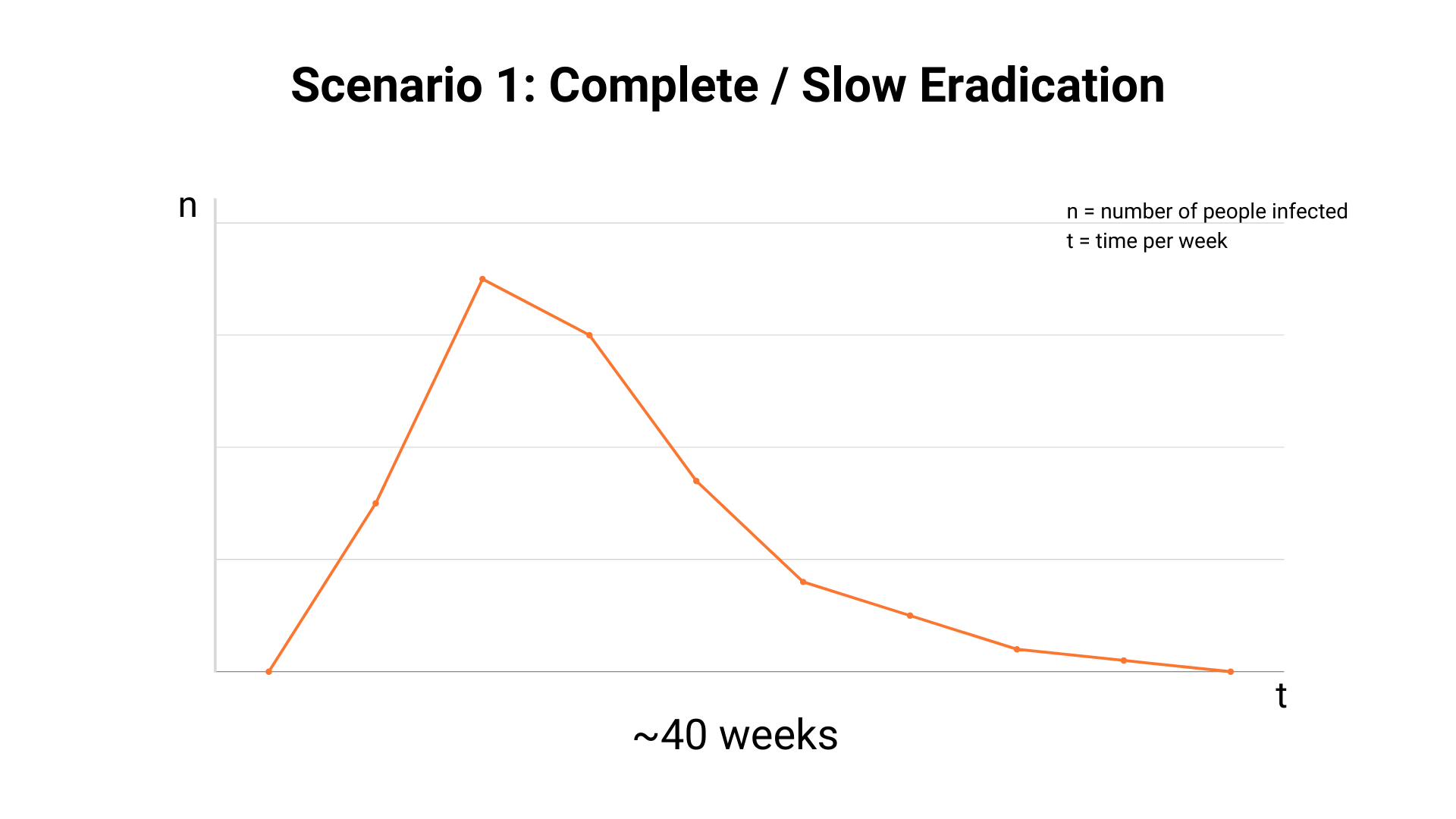
The first scenario is a slow or fast eradication of the virus.
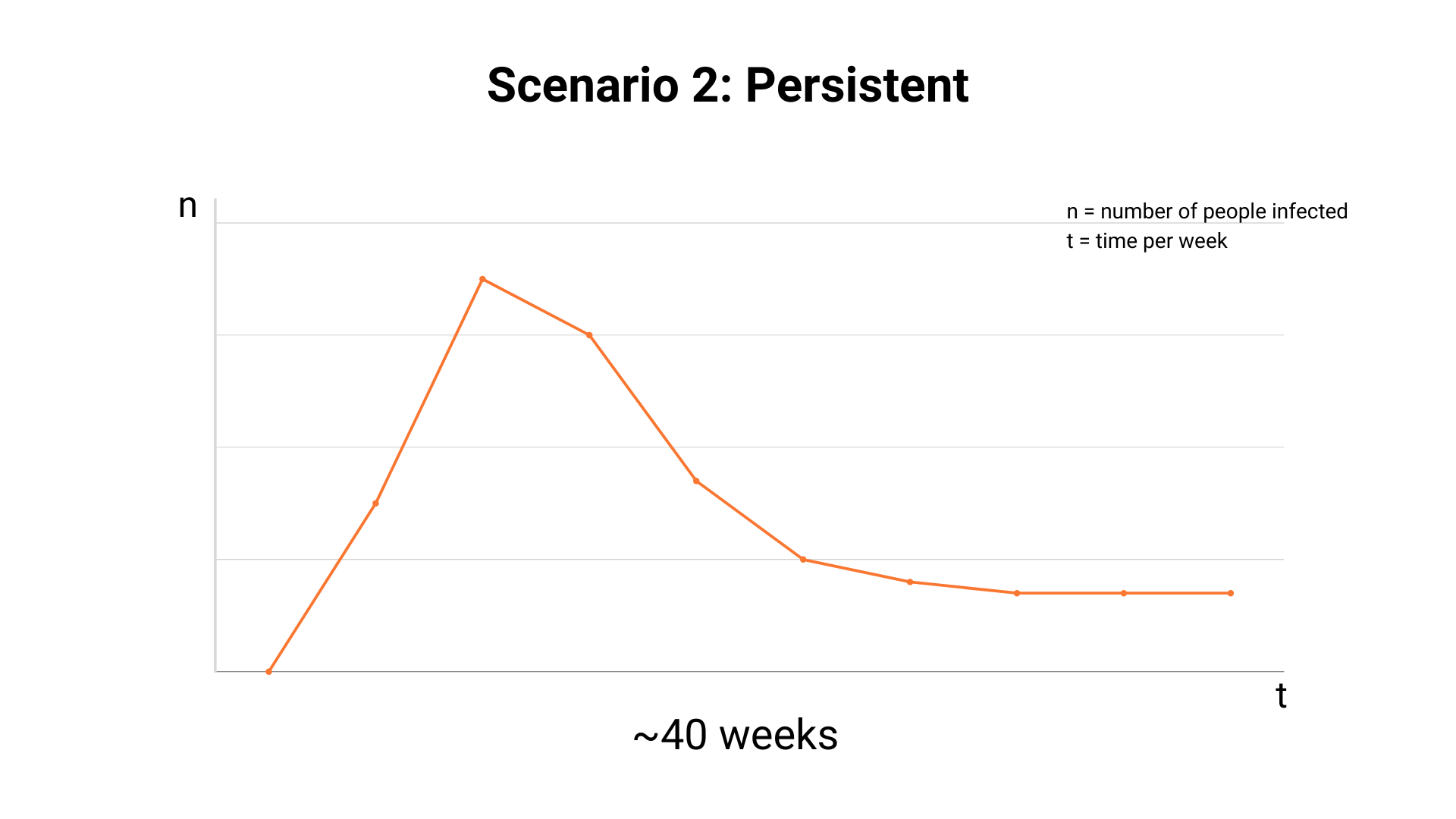
The second scenario is a version where we have the peak, but we learn to manage and maintain a plateau. This would mean that the virus will stay with us for a long time but we will have the right measures stabilize the rates.
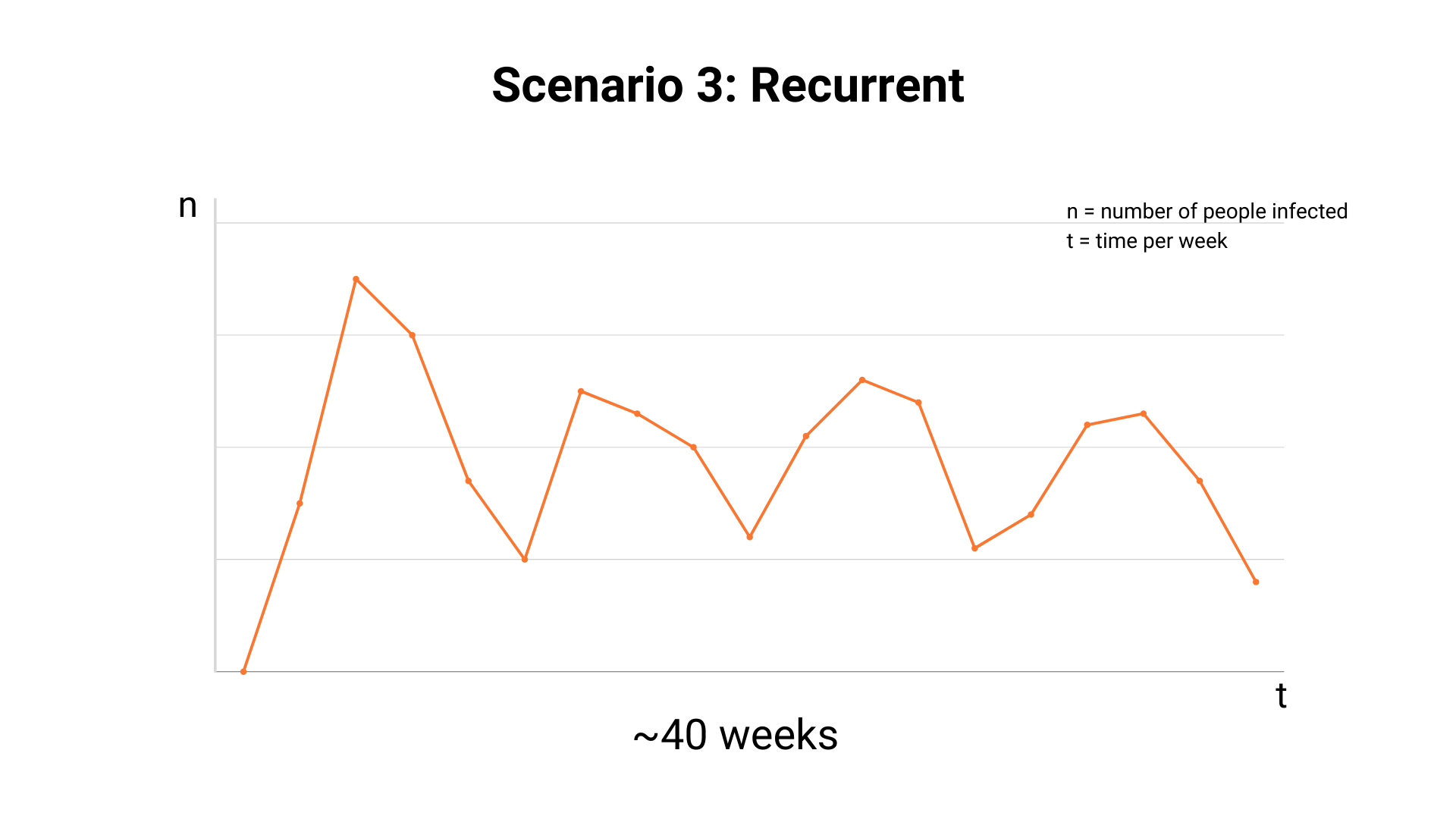
The third scenario is that the virus will recur in episodes repeating every 6 to 9 months.
The purpose of this webinar and the discussions within is to determine which of the three scenarios seem most or least plausible based on expert insights and data from the top CEOs, executives and specialists.
Past Patterns: Investor Community Views on Aesthetics
by David Amsellen
Mr. Amsellen is the Managing Director and Senior Research Analyst at Piper Sandler
There was a time – a long time ago – when public investors considered aesthetic procedures and products as luxury items, but that perception has changed markedly.
In the current era, the broader investor community has had an exceedingly favorable view of the medical aesthetic field. It’s a unique field to investors because it sits at the intersection of significant biomedical and biopharmaceutical innovation, and has a largely consumer-focused, cash pay model that is not subject to the whims of third-party buyers. That’s very powerful.
Until the small pause brought about by the pandemic, the pace of innovation across a wide range of aesthetics was brisk, and it’s been happening alongside an expanding footprint of consumers. Simply put, aesthetics reaches a wider demographic, in part because the broader conception of medical aesthetics is now very much bound up in the idea of ‘wellness’. And Covid-19 is not changing these perceptions.
The broader investor community is fairly hopeful that there will be a robust recovery after we get through this pause in economic and consumer activity.
If we take a look at what happened during the Great Recession in 2008, there are a lot of parallels between then and now – economic crisis, major spike in unemployment, major shifts in disposable income – yet in 2008 neuromodulators declined only modestly. And following the 2008 recession, the general aesthetic market was able to make a robust V-shape recovery followed by consistent growth ever since.
So the question is, will history repeat itself?
There is an obvious differences to note: the recession of 2008 was purely an economic crisis whereas the crisis now is, at its core, a public health crisis that is driving an economic crisis. This creates a level of uncertainty as to whether we will get that V-shaped recovery in the industry. The good news is that the pace of innovation is strong as it’s ever been, maybe even better than before with many products in the line for approvals and launches across the industry.
To summarize, while there are uncertainties that still exist for the future, there are 4 main characteristics of the aesthetic market that make it safe to say the future is bright:
1. A far broader demographic audience for aesthetics relative to the Great Recession
2. Medical aesthetics is now more closely aligned with the concept of wellness
3. Brisk pace of innovation
4. Innovation leads to better outcomes which leads to more patients
Current Condition: Consumer Consideration of Aesthetics in the US
by Tom Seery
Mr. Seery is the Founder and CEO of Realself
The audience of Realself.com are highly inclined to seek out aesthetics. They are in the “early stage”, meaning they are not necessarily individuals who have already had a procedure done, and we are very keen on understanding how their sentiments are changing, how they are affected by the Covid-19 crisis.
A really wonderful bit of news for this industry from our users: according to a survey we have conducted on our site, as of April 29th, 98% of survey participants (n=457) have said they were considering a procedure and still want to have one.
But one of the challenges we suspect would be a headwind for the industry is that nearly half of the consumers who participated in the survey have said they are experiencing a direct financial impact from Covid-19. Although the survey did not delve into how much of an affect the crisis has had on them, consumers are citing that they do feel an impact, which leads to the question: how will households prioritize their decisions in aesthetics or other discretionary purchases?
Roundtable discussion about the injectable market
A large portion of consumers have experienced a financial drawback by the Covid-19 crisis. Still, as we saw in the Realself survey results, the intent to purchase seems to have been less affected.
The question for the industry representatives: What do you plan to do?
Carrie Strom, Senior VP at Allergan:
The most important thing we can do, and I know the industry is all aligned on this, is enable a safe reopening of the aesthetic market globally. We know that physician customers all over the world are working to understand their local government’s direction as well as what they can be doing to open their offices back while keeping their patients and staff safe. Once our customers are ready to reopen – and reopen safely – the industry will be here to help them, to help get their patients back in.
In the meantime, we are working with customers to support them with their cash flow needs, which could be in form of extending terms, offering a product’s tiered discount, replacing expired products, granting warranty extensions, etc.
Mark Foley, CEO of Revance:
As the others have outlined, there are three issues we are dealing with: the aforementioned economic halt; social distancing which affects a bit the logistics and flow in a clinic; and the core of it all, which is the concern for patients, and even staff or family health.
As Tom Seery and David Amsellen have pointed out, we continue to feel that the growth trend in this industry continues to be really strong. And over time, with virtual consults and meetings, people are looking at themselves on video more than ever before, which I think will continue to drive the growth and interest.
In terms of things that we are doing, we are focused on engaging with our physicians that were investors and advisors, to be a resource for them as we move forward since we are not commercially in the market. When we will launch our filler in Q3, we plan on creating visibility and awareness through advertising, and we believe that innovation ultimately increases the number of consumers.
Alexandre Brennan, VP Aesthetics at Galderma:
I’m very much aligned with what my colleagues have said. There is a lot we do to help our partners with payments, products, and so on. We have also been doing a lot of virtual trainings: webinars, injection trainings or business advice. And I think it’s helping us a lot, we’re gaining more expertise as a group.
But it’s also important to emphasis that we have been addressing the patients directly, taking advantage of our social media to educate our patients about aesthetics.
As it has been mentioned before, innovation is going to be the driver that will bring patients back into the offices, so we do have a couple of big launches planned. We have started a soft launch for now in the US, and new products coming to China pretty soon.
Bob Rhatigan, CEO of MERZ Aesthetics:
Moving forward safely is going to be critical for us as an industry, though there is no doubt that we will face both professional and personal challenges. I think it’s really incumbent on us to help drive that V-shaped recovery that we saw following the Great Recession in 2008, and to re-enter and rebuild the market in a responsible and respectful tone.
One of my nagging concerns is that if we cannot accomplish this as an industry, globally the image of the industry could develop into one of flippancy from a medical standpoint. And in this light, the innovation and launches should be accompanied by this respectful and tactful tone. It’s important to show empathy towards customers and be sensitive to all that they may have suffered through during the crisis.
Michel Cheron, CEO of Vivacy:
It’s very interesting to get the market temperature from Tom Seery and David Amsellen, and in fact, it’s one of the rare occasions where all of the companies represented today are not in a normal competition – we are in a way coming together to fight against the virus and the crisis it brings. This is the first time we are faced with a crisis of this magnitude where economy in a global scale has stopped for two months. I think the big topic for the next few months will be safety for patients and the public for we will most likely still live with the virus.
Our plan forward is similar to those that were mentioned before, to help the doctors. It’s especially important during this time to stay close to them so that when it becomes time to reopen, physicians may do so in an environment that is safe for them, for their patients and for their staff. I think education is crucial in this regard, and digitalization is the means to deliver. When doctors will be ready to reopen, Vivacy will continue to communicate with them about our new products, launches and innovation.
Just a minor note to end with: the products may be the same, but comparing the US market with that of the European, it’s a delicate path to tread because our economies are not the same. Nevertheless, I’m hopeful that the European demand will increase as well with the end of confinement.
Christophe Foucher, CEO of Fillmed:
I completely agree with the opinions before, that safety is most important – safety for the physicians, employees and patients. The current crisis is actually an opportunity for all of us to work together in that front.
We have had an interesting experience recently. Fillmed has a pretty strong presence in China, and for the first two weeks since the reopening of the economy, it was crazy. The offices of our doctors were full of patients. Unfortunately, it did not last. After two weeks, the office visits were reduced to 30-35% capacity and continue to be that way.
The reason behind was that patients who were more or less addicted to procedures were eager to rush back to the clinics. At the start of reopening, they would make their appointments as soon as possible and visit the doctors at any risk. So moral of this story is, we have to be as cautious as we can as a market to reopen.
__________
The EBD Market in Face of Downturn
by Shimon Eckhouse
Mr. Eckhouse is the Chairman of Alon MedTech Ventures, and Founder of Lumenis, Syneron and Sofwave
The lasers & EBD experienced the 2008 Recession a bit differently than the injectables market. The data collected on the quarterly revenues of public companies including Syneron Medical, Cuter, Palomar, Cynosure and Solta, indicates that the market saw a huge drop during this recession, with recovery taking almost 2 years.
The economic downturn of 2008-2009 impacted the industry in several ways:
- It led to a reduction in consumer willingness to spend money on high-end cosmetic procedures and this led to a decrease in revenue for the EBD market.
- It brought about a fear among doctors and other professionals in the aesthetic business of their ability to justify investment in expensive capital equipment.
- The most important point that was common to this recession was a very tight credit market.
When we look at where we are today, the situation is fairly different from then in good way: although the pandemic has economic impacts, there is a huge availability of credits and interest rates are extremely low. This could ultimately mean a more positive effect on the EBD industry…
Roundtable discussion about the EBD market
Unlike the injectables market, the EBD sector took a bigger hit during the 2008 recession. However, certain circumstances between then and now are not the same, therefore we could expect a more positive course of recovery for the market following the current crisis.
The question for the industry representatives: How do they envision near the future? And are your projections similar to or different from what we have seen in 2008?
Todd Tillemans, CEO of Cynosure:
Over the course of 30+ years, this industry has be able to drive consumer adoption and penetration because technology has advanced. The increase in efficacy, the decrease in pain and downtime have been the drivers that opened up accessibility, and I think that is the trend we aim to continue. We have amazing innovators in the industry all around the world, and our ambition is to continue that long-term trend to open up the market.
Compared to 2008, one of the advantages we have now is the way we communicate. There are more technologies and channels to connect and communicate than ever before. Also the fact that appearances are now considered an important part of your well-being is always a plus for the market. Last but not least, the economic situation is different in that many markets have put in significant stimulus programs.
I wanted to look at the past 30 years so we could project the future 30 years. There certainly is a short-term impact, but we believe it will be temporary and remain cautiously positive we will slowly but surely emerge in the long run. And as an industry, we will continue to work to improve the lives of patients and livelihood of physicians.
Clint Carnell, CEO of Hydrafacial:
On the bright side, the macro environment is much better today than it was in 2008. The group of people interested in our treatments is much larger than it was before. Secondly, as we have in the historical precedent, we will come through the financial part of this crisis and consumers will remain resilient. The challenging part is that we have a healthcare crisis that is triggering a financial crisis. I think the charts will take a more W or U-shaped curve rather than the V-shaped recovery.
Regarding EBD specifically, it will depend on how invasive and how expensive a procedure is. As you may be well aware, we saw a trade down from surgical procedures to options such as thermal and fractional lasers; the real challenge was just the overall growth rate. The macroeconomic situation I think is faring better than the previous crisis, we just have to contain the health crisis then work through the financial crisis, and it’s highly predicated on the fear of the unknown.
Eyal Ben David, VP of Global Sales at Alma Lasers:
I joined the industry in 2009, shortly after the crisis. I know Alma Lasers suffered like the other companies but we rebound quite quickly, mainly because of our wide portfolio of treatments which allowed us to navigate to where the demand was stronger.
Also, as mentioned before, this financial halt is a secondary effect of a health crisis. Before I came to Alma Lasers in 2009, I was with Kodak, and while Alma suffered a minor setback with the 2008 recession, Kodak eventually filed for bankruptcy. The reason for Kodak unfortunate fate was due in part to Kodak’s inability to look at the digital revolution that was taking place in the photography market.
Many people now know that Kodak fell behind in the digital camera race. What many do not know is that Kodak was one of the first companies in the world to have a digital camera, but they failed to implement. My takeaway, rather my “scar” from this experience – and this is a scar no laser can treat – is to never underestimate the magnitude and the velocity that reality can change. So at Alma Lasers, we are trying to react quickly and, more importantly, in a smart way.
This article is an abridged version of the full webinar!
If you’ve enjoyed this read, you’re going to love the full presentation.
Etiquetas: Gestión profesional
Rate this article
Share this article on

