
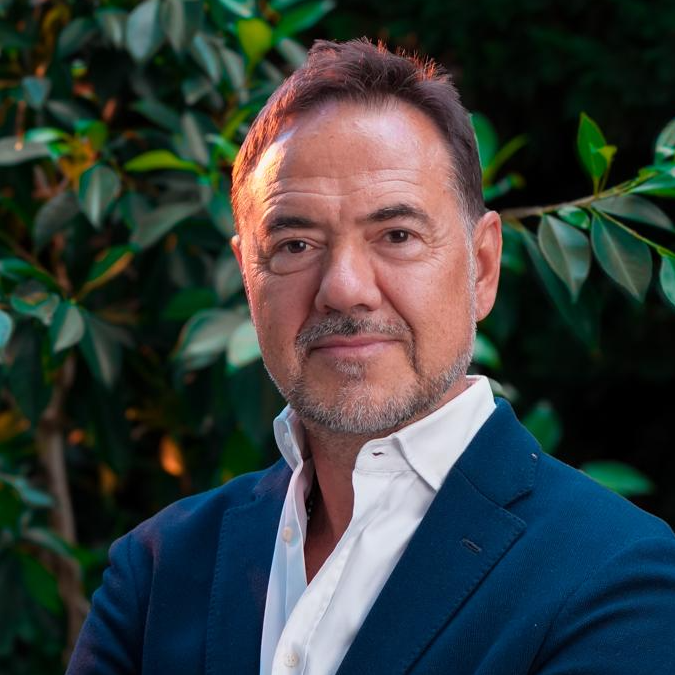


By Dr Tunc Tiryaki, Plastic Surgeon, Turkey
In the last 10 years we have witnessed a dramatic change of the role of autologous fat grafting in plastic surgery from a controversial technique for simple volume augmentations to an inspiring field of self-regeneration.
I want to take you on a journey in time, which starts back in 1893, when the German surgeon Dr. Neuber initially reported a use of small pieces of fat from the upper arm to reconstruct a depressed area of the face resulting from tuberculous osteitis.
Unfortunately the early results with fat grafting were disappointing mostly due to the fact that many of the variables in fat transplantation were not well understood initially. Consequently the technique was largely abandoned for nearly a century. Back then, the major limitation of fat grafting had been unpredictability or graft viability.
Today however, fat grafting plays a very diverse and far-reaching role in plastic surgery extending from simple volume replacements of the face to total reconstructions of a post-mastectomy breast and regenerative applications all around the body.
Fat grafting for the body and breast are important emerging fields in plastic and aesthetic surgery with promising results.
This comeback was initiated largely by the facial fat injection techniques introduced by Coleman in mid-1990s. He initiated the idea of micro-fat grafting with a much better understanding of revascularization of the fat cells and reported fat survival typically ranging from 40% to 60% of what has been grafted. By mid-2000s already reports of fat transplantation to the breast and body were emerging, suggesting the similar long-term viability of fat in major transplantations.
Fat grafting is the sole treatment reversing nearly all the effects of facial aging.
Today we are living in a different world! Having learned the fact that facial aging is basically bone resorbtion and deep fat volume loss, fat grafting is the sole treatment reversing nearly all the effects of facial aging. The use of fat as a filler for volume restoration of the face is optimal due to its easy acceptance, excellent safety profile, natural appearance and feel as well as the regenerative effects. (Grabb and Smith book chapter, Bucky, Del Veccio)
Fat grafting for the body and breast are important emerging fields in plastic and aesthetic surgery with promising results. However the controversies of breast fat injections for cosmetic and/or reconstructive purposes persist, so it is important to establish safety standards for patients and clinicians for the future. Recent enhancements in fat grafting applications lie not only in more reliable volume augmentation to the face, breast, and buttocks, but perhaps more importantly in pioneering the potential regenerative aspects of fat via its rich source of stem cells.
Who knows, maybe in a very close future we will be capable to stop facial aging at every level from bone to skin, and reconstruct any soft tissue defect with autologous or allogeneic fat tissue and fat tissue derived stem cells.
So say we all…
Etiquetas: Medicina regenerativa
Rate this article
Share this article on


