
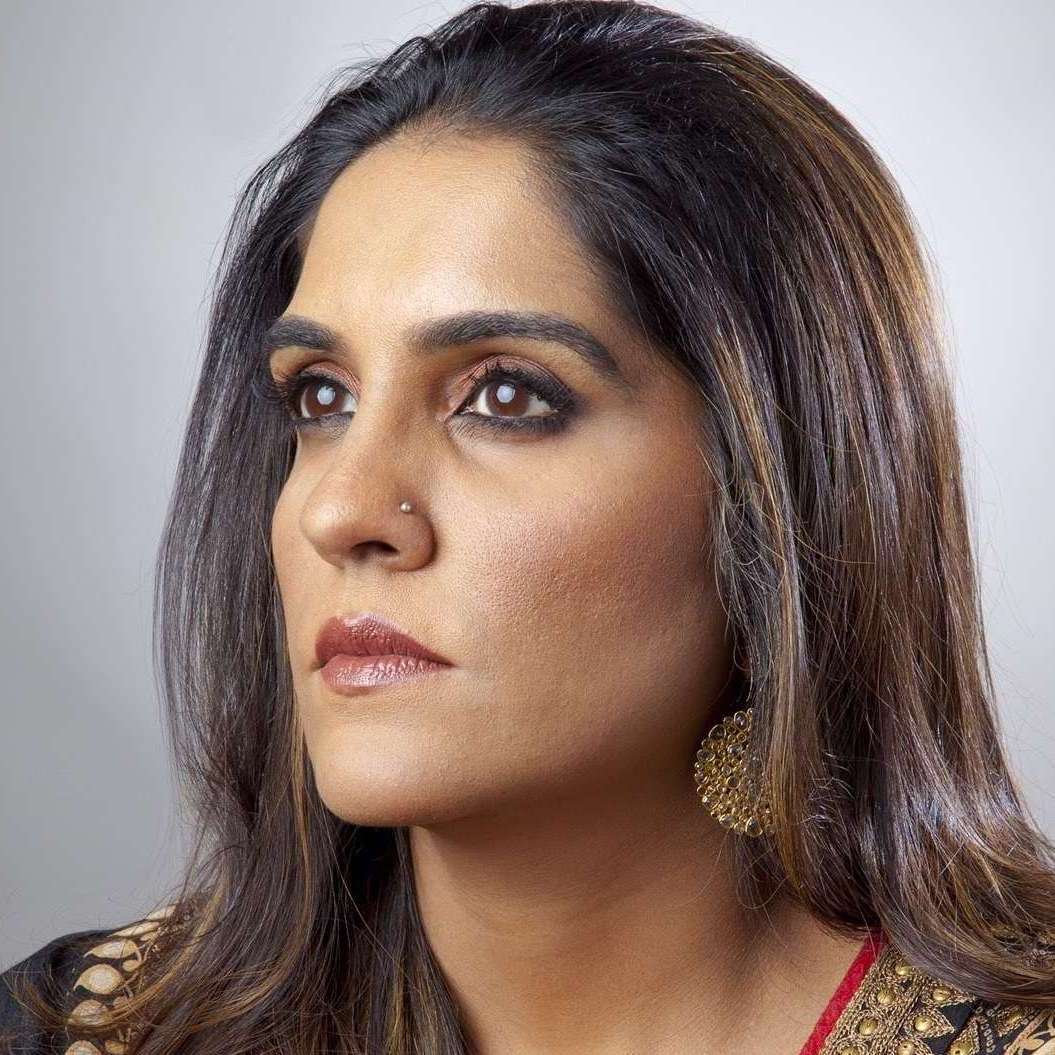


Dr. Mukta Sachdev, an IMCAS faculty member, is a highly respected clinical and aesthetic dermatologist based in Bangalore, India. She heads the Dermatology Department at Manipal Hospital and also runs her own boutique private practice. With over 28 years of experience, she is recognized as a global key opinion leader in treating skin of color, particularly in the areas of pigmentation, melasma, and device-based treatments for darker skin tones.
Can you briefly tell us how you got into dermatology?
Dr. MS: Oh, I think I’ve always wanted to be a dermatologist ever since I started medicine. I thought it would be an easy path, but I quickly realized how intense and fast-paced dermatology is. I was fortunate to enter the field just as aesthetics were gaining traction, so I've had the chance to witness the introduction of toxins, fillers, and lasers. Over the past 28 years, the field has evolved tremendously.
What areas do you find yourself most drawn to?
Dr. MS: Primarily, I'm a global key opinion leader for skin of color. I work extensively with darker skin types, focusing on treatments for melasma, pigmentation, and the use of devices and lasers. These areas have become my specialty.
What are some common misconceptions among physicians about acne?
Dr. MS: The biggest misconception is that acne is primarily aggravated by diet rather than hormones. Hormonal influences are particularly significant in skin of color. Conditions like polycystic ovarian syndrome (PCOS) often drive acne, especially among teenagers and those of childbearing age.
How do you address hormonal issues in your patients?
Dr. MS: We often start with a basic hormonal workup because patients with acne may present with other hormonal symptoms, such as excessive facial hair. In such cases, we collaborate closely with gynecologists and endocrinologists to provide comprehensive care. Working with specialists allows us to deliver more effective results.
Once we recognize a hormonal imbalance, we usually make a preliminary referral. In younger patients, hormonal medication isn’t always necessary, but understanding the underlying condition is crucial. Dermatologists typically manage the acne itself once any hormonal issues have been addressed.
How have diagnostic approaches for acne and pigmentation evolved recently?
Dr. MS: Patients today are more open to undergoing diagnostic tests. In the past, patients would question the need for procedures like ultrasounds, but now, with greater awareness about hormonal imbalances, they are more accepting of these investigations, such as blood work and scans.

Do you find patients’ self-education helpful, or is it a setback?
Dr. MS: It's a double-edged sword. While it’s beneficial that patients are more informed, they often come with unnecessary anxieties from what they've read online. I encourage patients to seek understanding but provide them with accurate information to help alleviate their concerns.
How do you handle patients with particularly stubborn cases of acne?
Dr. MS: We have options like oral hormonal medications and isotretinoin, which requires consent due to its side effects. When patients understand the benefits, they’re more willing to use stronger medications, especially if it helps prevent scarring, which is preferable to extensive treatments like lasers or chemical peels later on.
Combination therapies are common. We might begin with oral medication for active acne and then introduce procedures like chemical peels or stronger topical treatments. There are now many advances in topical retinoids and biologics, which are highly effective. For darker skin, chemical peels, microneedling, and radiofrequency treatments are particularly useful for improving scarring and fading marks.
For darker skin, fractional lasers and microneedling radiofrequency are preferred because they are color-blind technologies with minimal complications. It’s essential to tailor treatments individually, considering factors like mental health, quality of life, and even body dysmorphic concerns, as acne can affect patients profoundly.
How have systemic treatments evolved in terms of safety and efficacy?
Dr. MS: Today, isotretinoin has fewer side effects. Although it’s teratogenic and requires informed consent, it’s increasingly used for indications beyond acne, such as photoaging, and is much better tolerated.
Have there been any research findings in your career that significantly changed your approach?
Dr. MS: Definitely, particularly regarding hormonal treatments. Myo-inositol and other hormonal medications for acne have become much more accepted, with less resistance and fear surrounding these drugs, which makes me more confident in prescribing them.
Are there any resources you recommend for learning about acne and pigmentation in darker skin?
Dr. MS: There are many resources now, including textbooks. I co-authored a textbook on aesthetic procedures for darker skin. Additionally, the American Academy of Dermatology (AAD) and the Skin of Color Society provide excellent resources. The IMCAS Alert is also valuable, where professionals can seek advice on complex cases from experts worldwide.
Mots-clés: Dermatologie clinique & chirurgie dermatologique
Noter cet article
Partagez cet article sur
