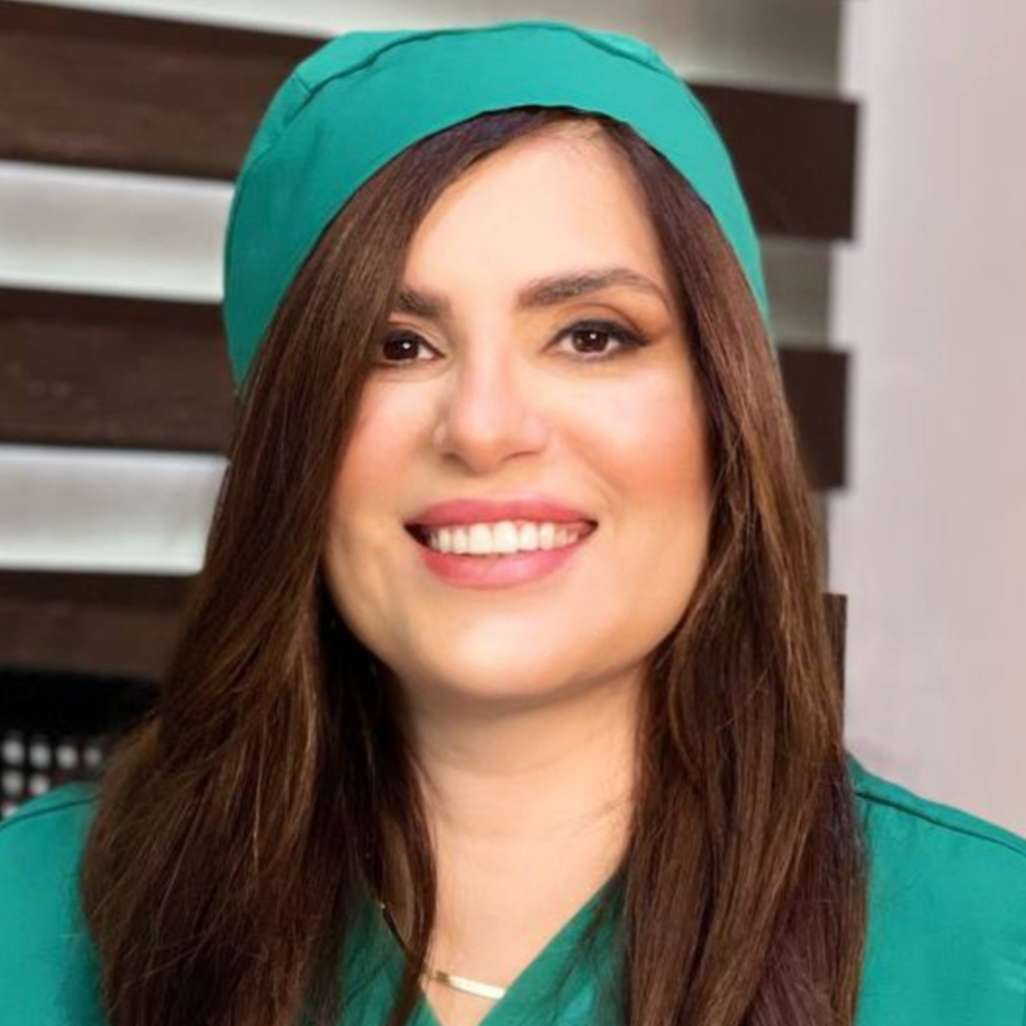
Prof. Roxanna SADOUGHIFAR
Доктор медицины
The role of AI in clinical trichology
Цели: The objective of this abstract is to present evidence-based insights into the integration of artificial intelligence (AI) in the diagnosis and management of hair disorders. By showcasing current clinical applications, diagnostic tools, and real-world data, this presentation aims to highlight how AI enhances accuracy, efficiency, and personalization in trichology. The session will provide clinicians with practical knowledge on leveraging AI technologies to improve outcomes in patients with alopecia and other hair loss conditions, while addressing ethical and implementation challenges.
Введение: Hair disorders, including androgenetic alopecia, alopecia areata, and telogen effluvium, are among the most common dermatologic complaints, often requiring detailed clinical and dermoscopic evaluation for accurate diagnosis and management. Traditional diagnostic approaches can be subjective and time-consuming, leading to variability in clinical outcomes. In recent years, artificial intelligence (AI) and machine learning technologies have emerged as promising tools in dermatology, offering high diagnostic precision, real-time image analysis, and support for treatment planning.
Материалы / методы: This presentation is based on a combination of published studies, clinical case observations, and hands-on experience with AI-assisted diagnostic tools in trichology. We reviewed recent peer-reviewed literature on the use of artificial intelligence in dermatology, focusing on its application to hair loss conditions such as androgenetic alopecia and alopecia areata. In addition, we explored the performance of selected AI platforms in dermoscopic image analysis, comparing their diagnostic accuracy with that of experienced clinicians.
Результаты: were used to aid diagnosis, track treatment progress, and personalize management plans. The session includes illustrative examples, clinical images, and brief workflow demonstrations to highlight how AI can be integrated into everyday dermatology and aesthetic practice.
Заключение: Artificial intelligence is rapidly becoming a valuable tool in the diagnosis and management of hair disorders, offering improved accuracy, time efficiency, and personalized care. While AI cannot replace clinical judgment, it serves as a powerful adjunct that enhances decision-making, particularly in complex or overlapping cases. As technology continues to evolve, dermatologists and hair specialists who embrace AI-based tools will be better equipped to deliver consistent, data-driven results. Further validation, standardization, and ethical frameworks will be essential to ensure safe and effect