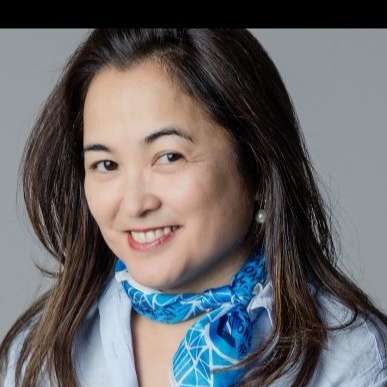
Доктор Angela SHIMUTA BAUTZER
Пластический хирург лица
The new medicine of longevity - from genes to lifestyle
Цели: The lecture aims to present the transition from traditional medicine, focused on treating diseases, to the New Medicine of Longevity, which measures, predicts, and reprograms aging. Grounded in evidence from epigenetics, microbiome science, chronobiology, and regenerative medicine, it inspires health professionals to integrate science and lifestyle — promoting coherence between body, mind, and purpose to help people live not just longer, but better.
Введение: We are entering a new era in medicine — one that goes beyond treating disease to understanding and reprogramming aging itself. Advances in epigenetics, microbiome science, and regenerative medicine now allow us to measure biological age, predict risks, and personalize care. This lecture invites health professionals to see longevity not as time added to life, but as vitality, clarity, and purpose aligned through science and lifestyle.
Материалы / методы: This work was developed as a scientific and educational synthesis combining clinical observation, literature review, and case-based application. The material integrates data from validated tests of biological age (TrueAge, DunedinPACE, iAge), microbiome and metabolomic panels, and circadian and mitochondrial biomarkers. Methods included baseline assessment through laboratory and lifestyle questionnaires, followed by targeted interventions in nutrition, sleep, exercise, and purpose, aligned with the principles of lifestyle and longevity medicine.
Результаты: Results
Implementation of the Longevity Medicine framework demonstrated measurable improvements in biological and functional markers. In the presented case, a 51-year-old female physician with fatigue and insomnia showed a reduction of 4 biological years within three months, accompanied by normalization of inflammatory markers (IL-6), improved sleep quality, and enhanced vitality and mood. Overall, integrating epigenetic testing, microbiome modulation, and personalized lifestyle interventions proved effective in restoring physiological balance and promoting sustainable health optimization.
Заключение: The New Medicine of Longevity represents a paradigm shift from reactive disease treatment to proactive health optimization. By integrating molecular diagnostics, epigenetic insights, and personalized lifestyle interventions, it becomes possible to slow or even reverse biological aging. This approach redefines prevention — aligning genome, environment, and purpose — and empowers both physicians and patients to co-create a state of coherence, resilience, and vitality that transcends lifespan, focusing instead on healthspan and human flourishing.