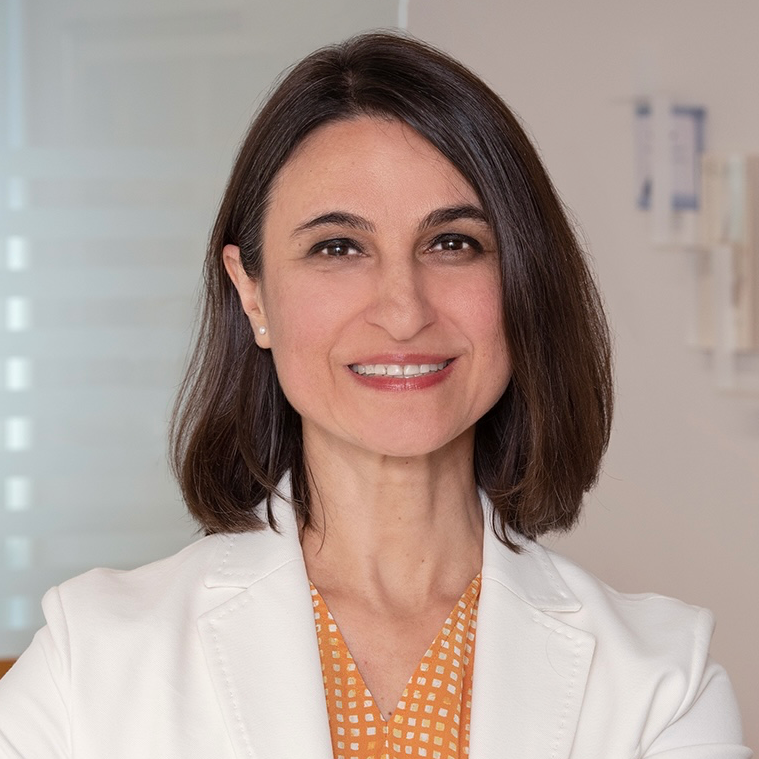
Доктор Galya DRAGIEVA
Дерматолог
Другие авторы: Theresa Archimandritis, MD
A multilayer nanofat protocol: redefining facial rejuvenation through regeneration for clinical practice
Цели: To present an updated retrospective clinical series of a novel synergistic multilayer nanofat protocol for full-face rejuvenation and to evaluate its effectiveness and safety. The protocol aims to improve both skin quality and facial contour in a single minimally invasive session while reducing downtime and patient discomfort, using low volumes of autologous nanofat (as little as 10 mL). It is designed to enable broad integration into daily clinical practice.
Введение: Nanofat, a micronized cell-rich autologous fat fraction, has become increasingly relevant in facial rejuvenation due to its regenerative properties. Despite growing scientific evidence, its clinical use remains limited. In clinical practice, approaches such as chemical peels, injectables, or energy-based devices are commonly used. However, most of these treatments address facial aging only partially and typically require repeated sessions. Even when both main aspects, skin quality and facial contour are addressed surgically within a single longer procedure, outcomes can be further optimized.
Материалы / методы: A retrospective clinical case series was conducted in a private aesthetic dermatologic practice in Zurich, Switzerland, including 50 patients treated over a 3-year period. Autologous fat was harvested under local anesthesia (20–40 mL of lipoaspirate), processed using commercially available closed mechanical systems and enriched with 20% platelet-rich plasma. Subcutaneous injections were combined with nanofat microneedling using an oscillating electronic device. Fractional CO₂ laser resurfacing was optionally added in selected cases. Outcomes were assessed clinically and photographically.
Результаты: All patients (50/50; 100%) showed improvement in skin quality. Facial contour improved in 46/50 patients (92%), particularly in the tear trough and midface. In 66% of cases, effective treatment was achieved using approximately 10 mL of nanofat; in this subgroup, 100% improved in skin quality and 28/33 (85%) in contour. Improvements appeared within 2–3 weeks and progressed over time, lasting up to 24 months. Downtime was <24 hours and 3–4 days with CO₂ laser. No major complications occurred. 88% reported improved well-being. Eight cases were selected as AMWC finalists.
Заключение: This updated retrospective clinical series supports the multilayer nanofat protocol as a promising approach to full-face rejuvenation with minimal downtime and sustained results, even when using low treatment volumes (approximately 10 mL in selected cases). The protocol allows standardized integration into daily clinical practice and may represent a shift toward biologically driven and more sustainable aesthetic treatments, potentially reducing reliance on synthetic materials. A prospective study is currently in progress.