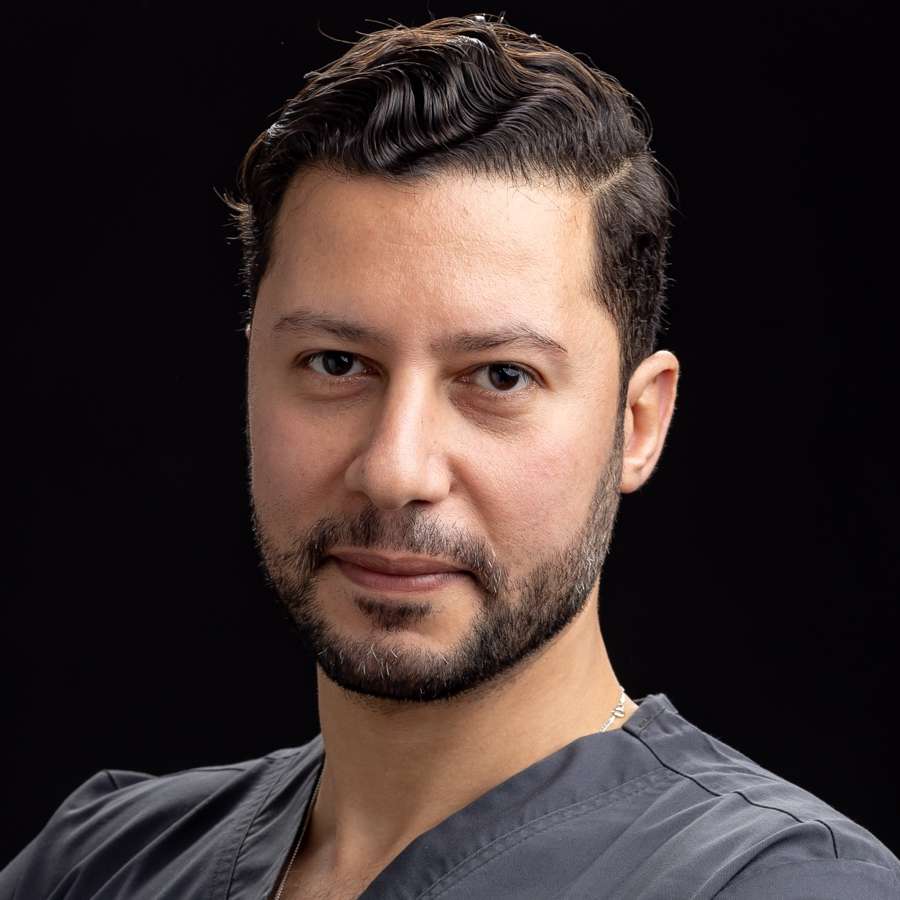
Ahmed ABDELAZIZ 医师
整形外科医师
Innovative approaches to treating male gynecomastia: A comprehensive review of surgical techniques
目标: By the end of this presentation, participants will be able to:
1. Understand the different grades of male gynecomastia and their corresponding surgical challenges.
2. Identify and apply appropriate surgical techniques for each grade of gynecomastia, focusing on optimal aesthetic and functional outcomes.
3. Recognize the role of adjunctive procedures such as liposuction, excisional techniques, and fat grafting in enhancing surgical results.
介绍: Gynecomastia, characterized by the benign enlargement of male breast tissue, is a condition that affects a significant number of men worldwide, impacting both their physical appearance and psychological well-being. Effective management of gynecomastia requires a nuanced approach, with surgical techniques tailored to the degree of breast hypertrophy and ptosis. This presentation explores innovative surgical methodologies designed to treat varying grades of gynecomastia, emphasizing techniques that achieve superior aesthetic and functional results.
材料 / 方法: This review encompasses a comprehensive analysis of surgical interventions tailored to different grades of gynecomastia:
- **Grade 1 Gynecomastia:** A combination of liposuction and pectoral fat grafting is employed to address minimal breast enlargement, improving the contour of the pectoral region.
- **Grade 2 Gynecomastia:** Liposuction and pectoral fat grafting are combined with peri-areolar skin excision to manage moderate enlargement and mild skin redundancy.
- **Grade 3 Gynecomastia:** Axillary excision, peri-areolar excision, and nipple-areola complex (NAC) repositioning are performed
结果: The implementation of these tailored techniques has demonstrated significant improvement in the aesthetic and functional outcomes for patients with varying degrees of gynecomastia. Patients reported high satisfaction rates with the surgical outcomes, noting improved chest contour, reduced scarring, and enhanced confidence. The integration of fat grafting with traditional surgical methods proved beneficial in achieving a natural and masculine appearance.
总结: The treatment of male gynecomastia requires a personalized approach that considers the severity of breast enlargement and skin ptosis. By employing a strategic combination of liposuction, excisional techniques, and fat grafting, superior aesthetic outcomes can be achieved for patients across all grades of gynecomastia. These innovative techniques provide versatile and effective solutions in clinical practice, ensuring that patients receive the highest standard of care tailored to their specific needs.