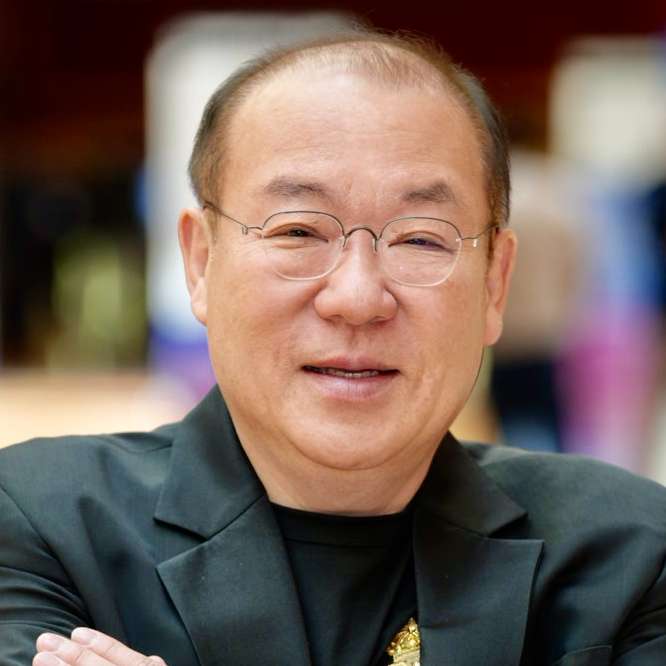
Young Seob LEE Prof.
整形外科医师
Assessing the limitations of exosome therapy: A retrospective study on scarring alopecia
目标: This presentation explores exosome therapy for scarring alopecia, a condition marked by irreversible follicular destruction due to fibrosis, trauma, or inflammation. A brief review of a study on exosome therapy for subjects with androgenic alopecia establishes its role in follicular regeneration and scalp homeostasis. We then examine case studies using the same protocol, assessing whether exosome-driven signaling, immunomodulation, and extracellular matrix remodeling can promote follicular neogenesis in cicatricial alopecia, defining the therapeutic limits of exosome-based intervention.
介绍: Scarring alopecia, or cicatricial alopecia, results from permanent destruction of hair follicles due to fibrosis, chronic inflammation, or trauma. Unlike androgenic alopecia, which is often reversible, cicatricial alopecia presents unique therapeutic challenges. This presentation explores the potential of exosome therapy to stimulate regeneration in such irreversible conditions by modulating the immune environment and promoting extracellular matrix repair.
材料 / 方法: We begin with findings from a study evaluating exosome therapy for subjects with androgenic alopecia, which demonstrated improvements in follicular density and scalp health. Using the same protocol, we retrospectively reviewed a series of patients with biopsy confirmed cicatricial alopecia. Treatments involved topical application of exosomes following microneedling. Outcomes were tracked using trichoscopy, clinical photographs, and patient feedback over 3 to 6 months.
结果: Contrary to expectations for a scarring condition, patients with cicatricial alopecia showed consistent and remarkable improvement following exosome therapy. All cases demonstrated visible reduction in inflammation, improved scalp vascularity, and early signs of follicular regeneration in previously fibrotic zones. Trichoscopic evaluation revealed new hair emergence in areas once considered inactive.
总结: These results suggest that exosome therapy may surpass conventional expectations in cicatricial alopecia by restoring immune balance, remodeling fibrotic extracellular matrix, and even initiating follicular neogenesis. The outcomes indicate that even in cases of irreversible hair loss, regenerative signaling may partially recover follicular architecture. This study redefines the therapeutic potential of exosomes in scarring alopecia and supports further exploration of their role in broader regenerative dermatology applications.