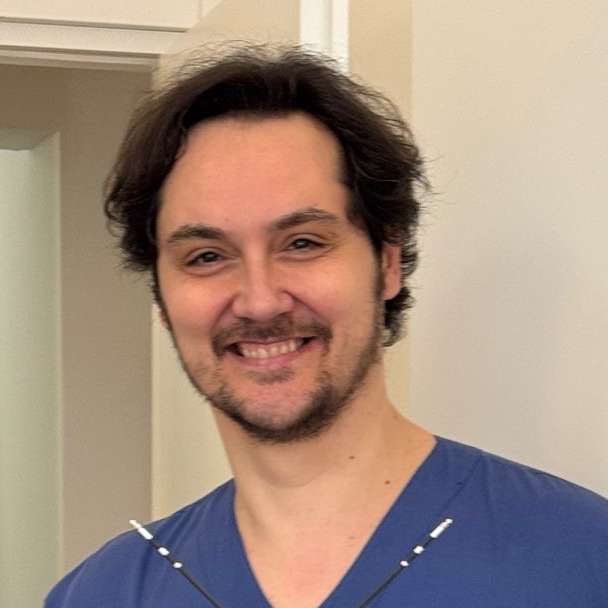
Salvatore GIORDANO 医师
整形外科医师
Absorbable Sutures are Equally Efficacious to Non-absorbable Sutures in Upper Eyelid Blepharoplasty for Dermatochalasis: A Comparative Study
目标: This study aimed to compare outcomes between absorbable and non-absorbable sutures used for upper eyelid blepharoplasty closure and to assess differences in complication rates.
介绍: Upper blepharoplasty for dermatochalasis is a common oculoplastic procedure worldwide, but postoperative suture removal can be uncomfortable or impractical for some patients.
材料 / 方法: We analyzed data from consecutive upper eyelid blepharoplasty procedures performed over a 3 year period. Patients were categorized based on the type of suture used for skin closure, with exclusion criteria including any prior eyelid or orbital surgery. Postoperative complications, outcomes, and aesthetic satisfaction scores (1–10) were compared between the two suture groups.
结果: The study included 149 patients: 69 with absorbable sutures and 80 with non-absorbable polypropylene sutures. Demographic variables were similar between groups. Operative time, estimated blood loss, return to work and follow-up duration were comparable. No significant differences in complication rates were observed (2.9% vs. 2.5%, p = 1.000), though a slight trend toward reoperation was noted in the absorbable suture group (8.7% vs. 6.2%, p = 0.570). Patient and surgeon satisfaction scores were similar.
总结: Our findings suggest that absorbable sutures are a viable and safe alternative to non-absorbable sutures for upper eyelid blepharoplasty, with no significant differences in postoperative outcomes or overall satisfaction.