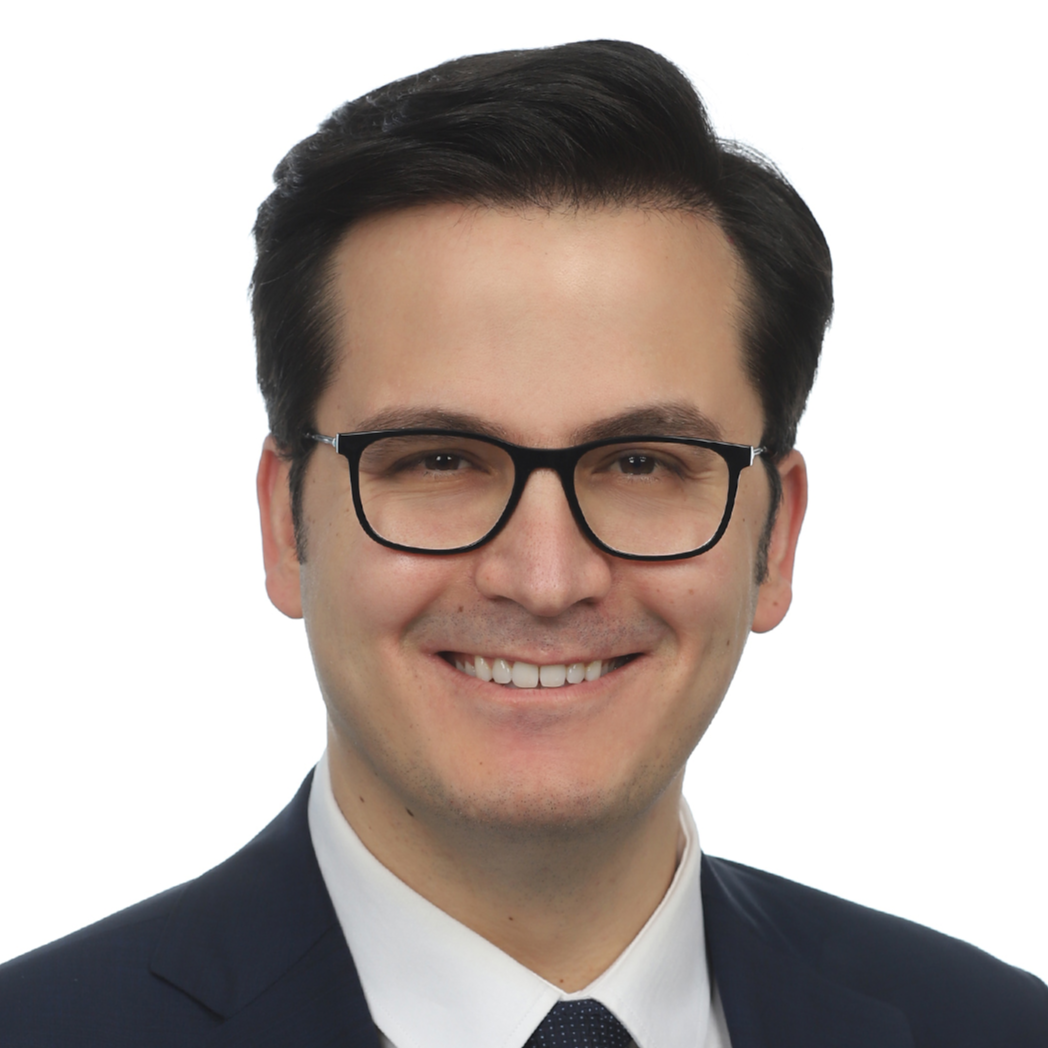
Hasan BUYUKDOGAN 医师
整形外科医师
Transaxillary, Endoscopic, Submuscular Breast Augmentation: Clinical Results and Analysis of Patient Satisfaction
目标: This study aims to evaluate the aesthetic outcomes, complication rates, and patient satisfaction of the technique in a case series of 50 patients.
介绍: The transaxillary approach is a breast augmentation technique that offers the advantage of minimal scarring.
材料 / 方法: 42 female patients underwent axillary transaxillary breast augmentation. Implants were placed submuscularly. The mean implant volume was 295 cc. Patients were followed for 6 months; complications were recorded, and aesthetic results were assessed with BREAST-Q.
结果: 94% of patients reported high satisfaction with the absence of inframammary and periareolar scars and the appearance of the décolletage. Early axillary hematoma was observed in 3 patients, and late implant malposition was observed in 1 patient. Six patients who developed wound dehiscence were followed with dressings, and 4 patients underwent axillary scar revision. A total of 1 patient (2%) was scheduled for revision. Mean BREAST-Q scores improved from 52 ± 8 preoperatively to 89 ± 6 postoperatively (p<0.001). No serious complications were observed during or after surgery.
总结: Transaxillary breast augmentation is a safe and effective procedure with appropriate patient selection and surgical experience. The advantage of minimal scarring and high patient satisfaction are the distinguishing features of the technique. This case series supports both the aesthetic and clinical reliability of the transaxillary approach.