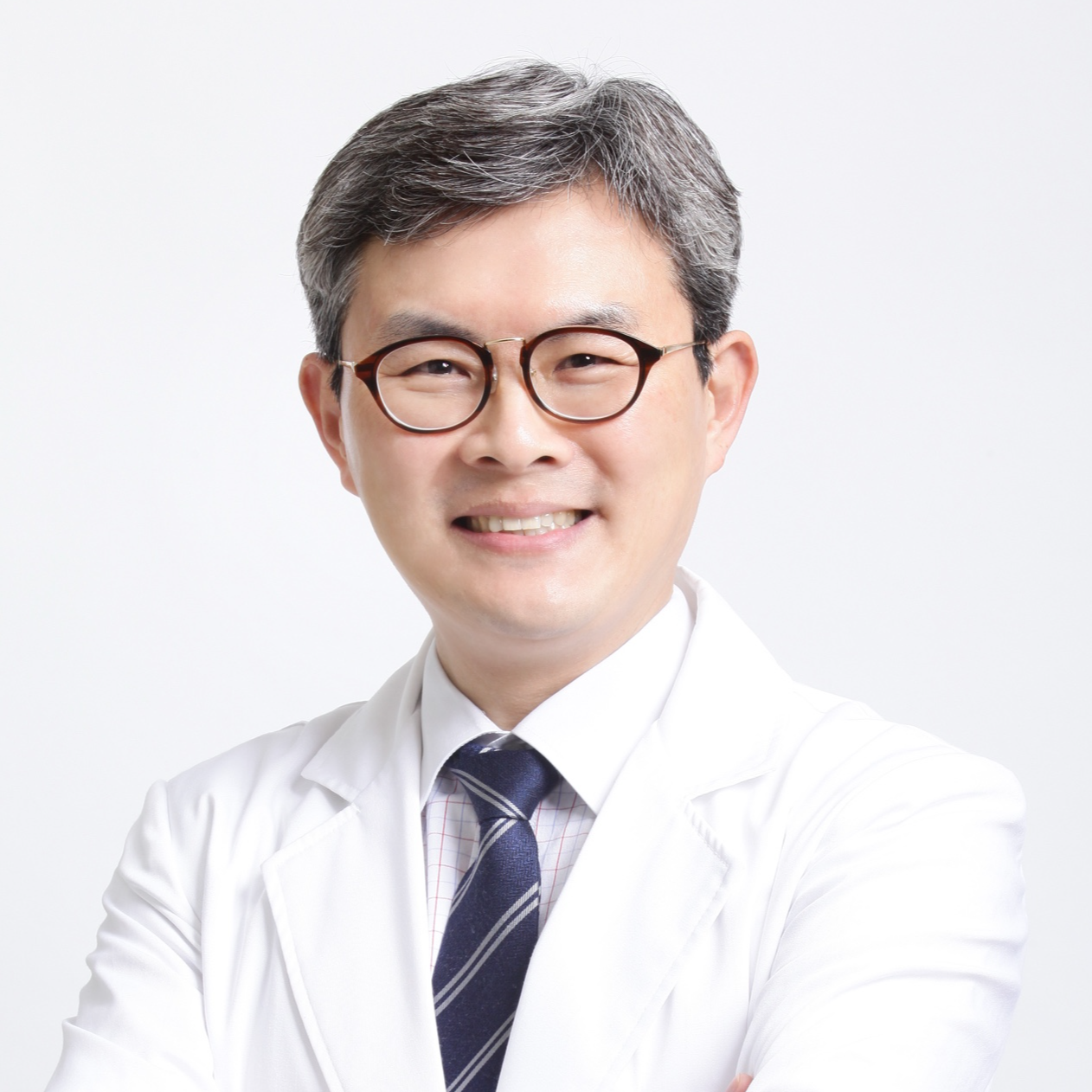
Jeong Hyun YOON 医师
美容整型外科医师
Facial rejuvenation using a safe and easy-to-handle PDO scaffold thread
目标: This presentation aims to introduce a non-barbed, braided polydioxanone (PDO) scaffold thread and to evaluate its clinical effectiveness and safety for facial rejuvenation based on the clinical and experimental results
介绍: Facial aging is characterized by skin laxity, volume loss, and weakening of dermal support structures. Absorbable thread-based procedures are widely used as minimally invasive rejuvenation options; however, conventional barbed or cog threads are associated with complications such as dimpling, migration, protrusion, granuloma formation, and asymmetry.
材料 / 方法: The PDO scaffold thread is a non-contour, braided absorbable suture designed for placement in the subcutaneous, subdermal, and selected submuscular layers. The braided structure increases tissue contact surface area, enhancing fibroblast stimulation, collagen synthesis, and growth factor production. The threads were applied using customized designs according to facial anatomy and were often combined with multilayer treatment strategies to reinforce structural support.
结果: Compared with monofilament PDO threads and cog threads, the braided PDO scaffold thread demonstrated easy insertion, minimal tissue trauma, and a low incidence of complications. Clinical cases showed gradual and sustained improvement in skin texture, firmness, and contour over 1 to 3 months. The rejuvenation effect was primarily driven by biological tissue remodeling rather than immediate mechanical lifting, resulting in natural-looking outcomes.
总结: Non-barbed braided PDO scaffold threads represent a safe and effective option for facial rejuvenation. By promoting collagen production and dermal reinforcement while minimizing common thread-related complications, this technique expands the role of absorbable threads in modern aesthetic practice and allows predictable results with high patient satisfaction and minimal downtime.