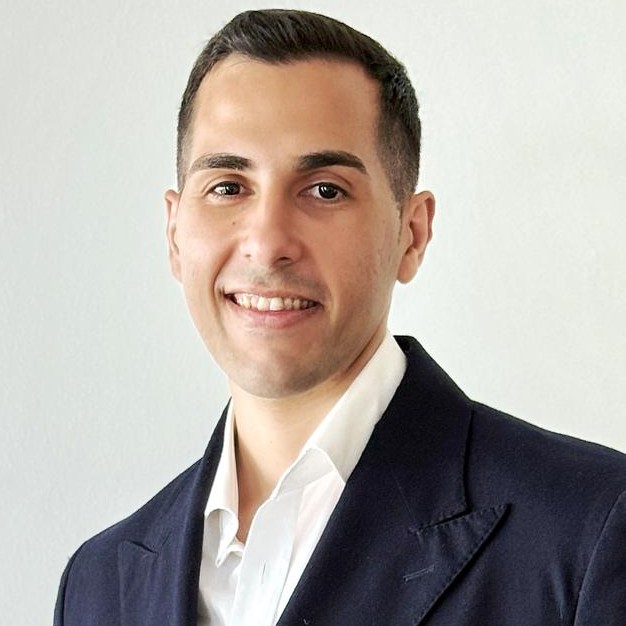
Marios LOUCAS 医师
医学博士
其他作者: Omar Haroon, MD, Rafael Loucas, MD
Is There an Ideal Face for Social Media? Aesthetic Optimization in the Age of Instagram — Tools, Trends, and the Rise of a Digital Beauty Standard
目标: (1) Define the “Instagram face” and summarize key morphometric features
(2) Translate trend-informed proportions into anatomy-guided, individualized plans
(3) Select minimally invasive tools (botulinum toxin, HA fillers, biostimulators, threads, CELT fat) for specific targets
(4) Apply risk-mitigation, staging, and safety monitoring
(5) Counsel on digital distortion, expectation management, and ethical boundaries
介绍: In today’s digital culture, image-centric platforms like Instagram shape beauty ideals. Filters and editing have popularized the “Instagram face”—symmetry, high cheekbones, full lips, a narrow nose, smooth skin, and a sharp jawline. These aesthetics reshape patient expectations, challenging clinicians to interpret trends responsibly while prioritizing anatomy and natural results. This study aims to examine how social media-driven beauty standards can be translated into ethical, individualized clinical strategies using an anatomical and minimally invasive approach to facial optimization.
材料 / 方法: A cross-sectional analysis of the top 100 Caucasian female beauty influencers on Instagram used Fiji (ImageJ) for morphometrics. Common features were an upper:lower lip ratio ~1:1.6, strong malar projection, reduced nasal width, and a defined mandibular line. These informed a treatment framework: botulinum toxin for dynamic lines and balance; hyaluronic acid fillers for contour/volume; biostimulators for collagen support; thread lifting for repositioning; CELT-processed fat grafting for regenerative volumization, plus microneedling and energy devices for skin quality.
结果: This anatomy-based, trend-informed approach was applied clinically and demonstrated high patient satisfaction, improved facial harmony, and alignment between digital and real-life self-image. Outcomes confirmed by clinical photography, aesthetic scoring, and patient-reported measures showed consistent improvements in facial proportion, skin quality, and overall aesthetic perception. No major complications were observed, and the staged protocol supported both safety and compliance.
总结: The rise of the “Instagram face” reflects a digitally influenced shift in aesthetic perception. By approaching this trend through a structured, anatomy-guided, and ethically responsible methodology—incorporating botulinum toxin, fillers, biostimulators, threads, and fat grafting—practitioners can help patients achieve refined, natural results that respond to modern beauty standards while preserving individual identity. Mastery of this evolving aesthetic language is essential for contemporary facial rejuvenation practice.