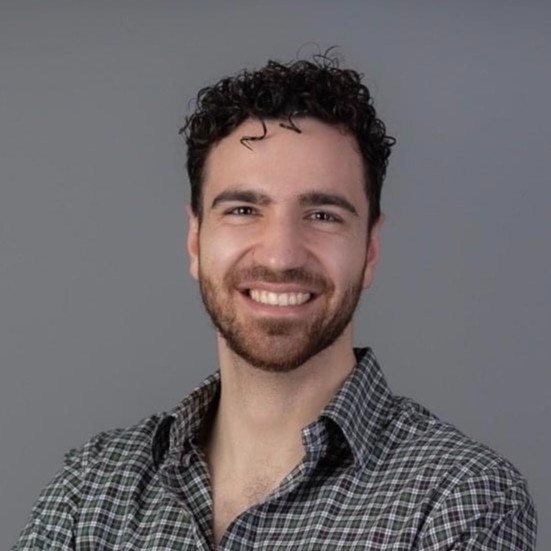
Stoyan BOGOEV 医师
医学博士
其他作者: Filler-induced ischemia is often attributed to direct arterial blockage, yet clinical evidence suggests vascular compromise can occur in its absence. This session by vascular surgeon Dr. Stoyan Bogoev and Dr. Lidiya Todorova explores overlooked contributo
Ischemia Beyond the Obvious: Rethinking Vascular Injury Without Visible Occlusion in Aesthetic Medicine
目标: 1. Identify non-occlusive mechanisms behind filler-induced ischemia (e.g., choke zones, venous congestion, vasospasm)
2. Distinguish vascular compromise from classic arterial occlusion presentations
3. Apply physiology-based rescue strategies using microvascular principles and pharmacologic agents like Sildenafil and Pentoxifylline
介绍: Traditional filler complication models focus on embolic arterial occlusion. However, ischemic events often occur without intravascular injection or visible vessel involvement. This presentation explores alternative mechanisms contributing to vascular compromise, drawing on vascular surgery principles and microcirculatory physiology to reinterpret existing complication algorithms.
材料 / 方法: This talk synthesizes clinical observations, anatomy-based angiosome analysis, and ischemic pathophysiology. It integrates case-based learning with evidence from related vascular conditions to propose a new framework for understanding non-occlusive ischemia. Current rescue methods are evaluated in the context of ischemic time and tissue sensitivity.
结果: Based on clinical reasoning and surgical parallels, the presentation reveals how ischemia may arise from choke point collapse, pressure-induced venous congestion, and delayed microvascular reperfusion. The proposed approach incorporates pharmacologic vasodilation, perfusion support, and microvascular therapy—beyond enzymatic degradation alone.
总结: Understanding ischemia beyond arterial occlusion is essential for effective filler complication management. A multidisciplinary, physiology-driven strategy may reduce tissue loss and improve aesthetic safety. The session encourages injectors to rethink complication rescue using principles borrowed from vascular surgery and microcirculation medicine.