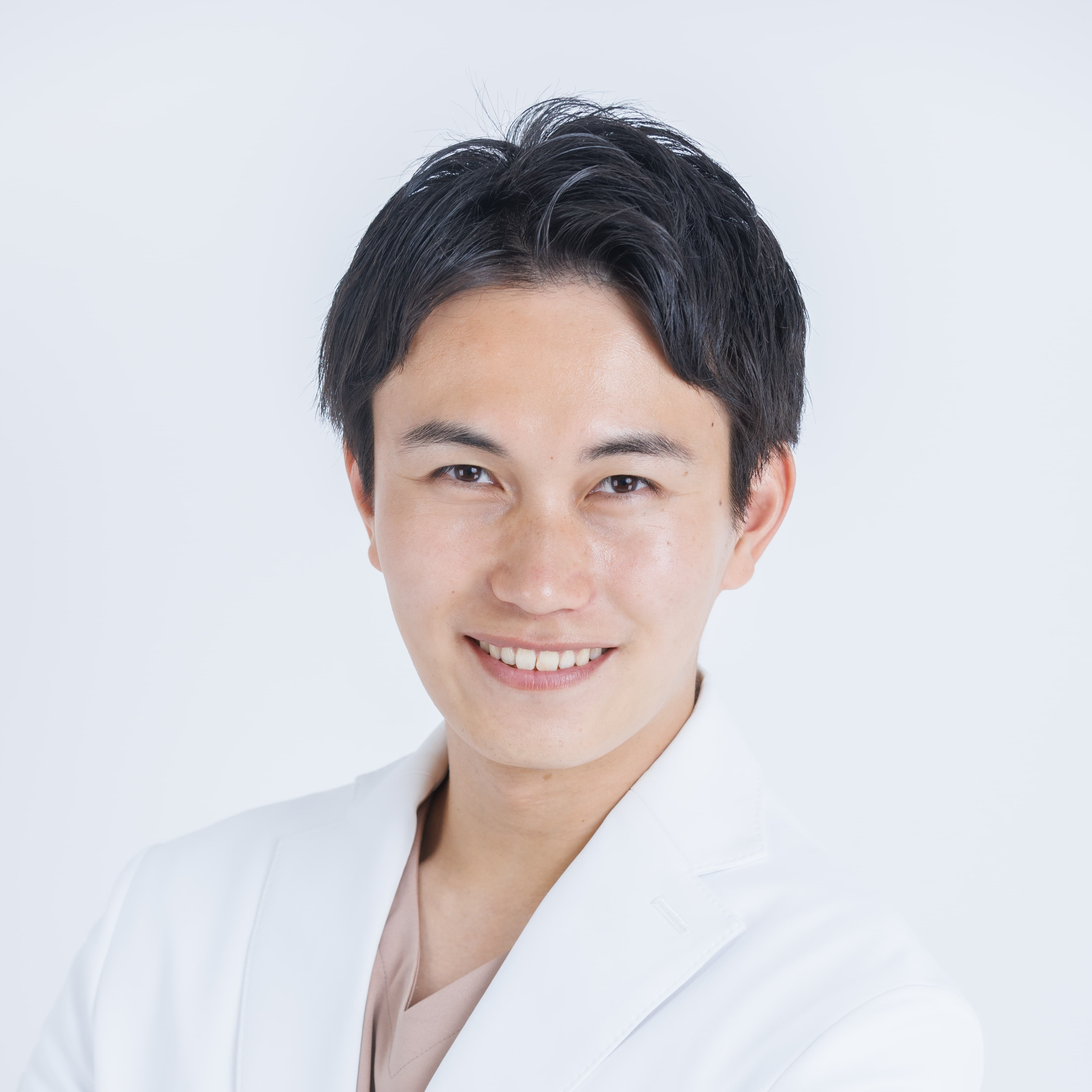
Dr. Itsuki NAKAYAMA
Cosmetic Surgeon
Achieving 97% patient satisfaction in non-incisional asian blepharoplasty: the role of physician-led consultation and collaborative preoperative design
Objectives: Attendees will be able to: (1) recognize the impact of physician-led preoperative consultation on patient satisfaction outcomes in non-incisional double eyelid surgery; (2) understand the value of collaborative preoperative eyelid design in aligning surgical outcomes with patient expectations; (3) apply a patient-centered consultation model to their own clinical practice to enhance satisfaction rates in Asian blepharoplasty.
Introduction: Non-incisional double eyelid surgery (buried-suture technique) is one of the most frequently performed aesthetic procedures in East Asia, yet standardized evaluation of patient-reported satisfaction remains limited. Factors beyond surgical technique—particularly the quality of preoperative consultation and patient involvement in surgical planning—may play a significant role in overall satisfaction. This study examines these factors at a single-center Japanese aesthetic clinic.
Materials / method: A retrospective single-center survey was conducted at ALMOND CLINIC, Japan. A total of 258 patients who underwent non-incisional double eyelid surgery (buried-suture technique) completed a structured questionnaire at one month postoperatively. Three domains were assessed: (1) overall aesthetic satisfaction, (2) satisfaction with physician communication, and (3) likelihood to recommend the procedure. All preoperative consultations were conducted directly by the treating physician, who collaboratively finalized the eyelid design with each patient prior to surgery.
Results: Of 258 patients, 251 (97.3%) reported being "satisfied" or "very satisfied" with their aesthetic outcomes at one month postoperatively. Satisfaction with physician communication was consistently high across the cohort and showed a strong positive association with overall aesthetic satisfaction. Willingness to recommend the procedure to others was also elevated, reflecting strong patient confidence in both the surgical result and the consultation experience. No serious complications were recorded during the follow-up period.
Conclusion: Non-incisional double eyelid surgery achieved a patient satisfaction rate of 97.3% in this single-center cohort. Our findings suggest that physician-led consultation and collaborative preoperative design contribute meaningfully to high satisfaction outcomes, beyond surgical technique alone. This patient-centered model offers a reproducible and practical framework for improving satisfaction in Asian blepharoplasty, with implications for clinical practice across East Asian aesthetic medicine.