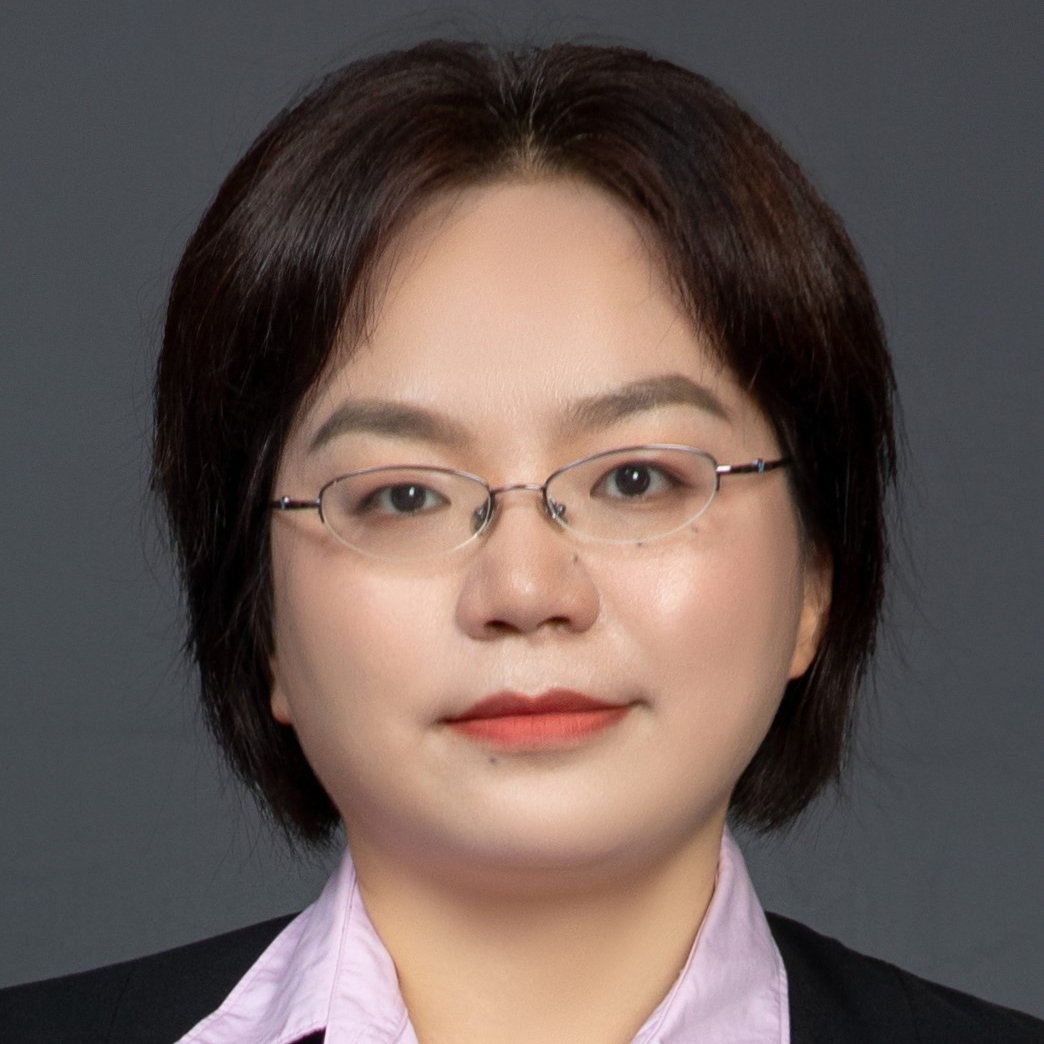
Dr. Janney QIU
PhD - Research
Other authors: Yu GAO, PhD, Pascale MORA, PhD, Xuezhu TAN, Frederic FLAMENT, PhD, Jie QIU, PhD
Longevity dermatology: measuring, targeting and reversing the hallmarks of skin and hair aging
Objectives: After this presentation, attendees will be able to: (1) describe the biological hallmarks of aging specific to skin and hair and their mechanistic relevance to clinical aging; (2) understand how non-invasive proteomics and AI-driven biomarker modeling can define biological skin age beyond chronological age; (3) evaluate the clinical evidence supporting nutraceutical and microbiome-based interventions for skin aging; (4) recognize the rationale for multi-target, hallmark-driven approaches over single-intervention strategies.
Introduction: The gap between lifespan and healthspan represents one of the defining challenges in modern medicine. Skin and hair, governed by the same hallmarks of aging driving systemic decline, offer clinicians uniquely accessible targets for early, measurable intervention. As longevity science rapidly expands, with skin-specific publications growing 80-fold over two decades, aesthetic dermatology is positioned to evolve from cosmetic correction into a frontline discipline of biological prevention.
Materials / method: A multi-program research framework developed over 15+ years integrated: hallmark mapping across 10 skin/hair-specific aging mechanisms; non-invasive biological age scoring via surface proteomics (tape-strip, n>1,000); AI-assisted computational modeling of 260+ biomarkers across 32 pathways; randomized controlled trials evaluating nutraceutical interventions targeting glycative, oxidative stress and inflammation; and phylotype-level microbiome modulation across a 7,000+ subject longitudinal cohort. Findings were structured into a five-pillar clinical protocol.
Results: Five non-invasive proteomic biomarkers reliably distinguish biological from chronological skin age, enabling practical clinical diagnostics. Nutraceutical supplementation significantly reduced AGEs and 4-HNE, key markers of skin aging, with measurable facial quality improvements. A broad-spectrum UVA photoprotective agent demonstrated preservation of epigenetic repair capacity in deep skin cells. Phylotype-level microbiome modulation confirmed feasibility of precise, targeted dermatological intervention. Multi-hallmark approaches consistently outperformed single-target strategies.
Conclusion: A five-pillar integrative protocol including diagnostics, topicals, nutraceuticals, devices, and personalized services, grounded in hallmark biology and validated through clinical research, provides physicians with a practical, evidence-based framework for extending skin and hair healthspan. Skin aging markers showed partial reversibility within clinical timeframes, challenging assumptions about irreversibility. These findings offer clinicians a concrete pathway to practice longevity medicine, both measurably and preventively, within aesthetic dermatology.


