


A quiet revolution is unfolding in skincare—and it’s not coming from an R&D lab.
It’s happening on TikTok, Reddit, and Instagram. It’s being filmed in bathroom mirrors, dissected in comment threads, and debated in Discord groups. It’s being driven by a new kind of actor: the skincare prosumer.
Coined from “producer” + “consumer,” the term prosumer isn’t new. But in the context of aesthetic dermatology and beauty-tech, it’s taking on new life. Skincare prosumers are no longer passive users of your products or services. They are active co-creators—building routines, sharing reviews, decoding ingredients, and influencing buying decisions at scale.
What Makes a Skincare Prosumer?
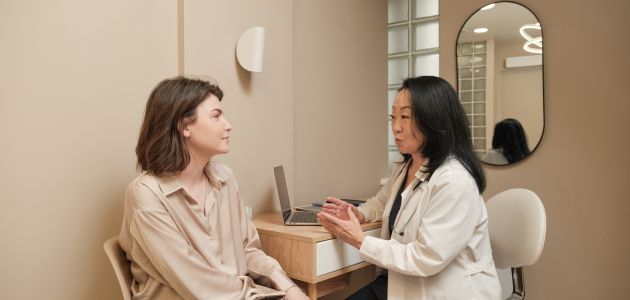
Think of a patient who shows up at your clinic knowing the difference between azelaic acid and alpha-arbutin, quotes clinical studies from PubMed, and has already posted a 90-day tretinoin journey to her 12K followers. She doesn’t just want to use skincare—she wants to understand it, optimize it, and influence it.
These prosumers:
- Customize their own routines using digital skin analysis tools
- Educate others through content creation, tutorials, and reviews
- Provide real-time feedback to brands—sometimes faster than formal market research
- Advocate for science-backed, ethical, and inclusive skincare
They blur the boundaries between patient, consumer, and practitioner—and they are growing in both number and influence.
The Implications for Aesthetic Medicine
For dermatologists, plastic surgeons, and skin health brands, this shift is more than just a curiosity. It’s a call to reimagine how we engage with patients and consumers.
Prosumers expect transparency. They research ingredient percentages, ask about pH stability, and question marketing claims. They’re skeptical of vague “clinically proven” tags unless backed by accessible data. They want to know who formulated the product, where it was tested, and why a certain delivery vehicle was chosen.
They also expect personalization. The rise of AI-driven skincare diagnostics, personalized serums, and skin coaches reflects this need. Prosumers are not satisfied with one-size-fits-all regimens—they seek protocols tailored to their skin type, tone, goals, and values.
And perhaps most critically, they expect to be heard. Platforms like Reddit’s r/SkincareAddiction or TikTok’s skincare influencers can make or break a product based on community consensus. What was once the exclusive domain of journals and conferences is now being shaped by everyday users with deep insight and high engagement.
Are You Listening to Your Prosumers?
Forward-thinking brands are already building with, not just for, this audience. From beta-testing new formulations with online communities to co-creating content with informed consumers, the smartest players are treating prosumers as collaborators.
Clinicians, too, can benefit. Imagine patient education modules that incorporate prosumer content. Or treatment plans that integrate patient-reported outcomes collected via skincare apps. The future of skincare isn't just top-down—it’s dialogic, distributed, and co-produced.
The Takeaway
In a world of increasing misinformation and skincare noise, it’s tempting to dismiss the prosumer movement as another passing trend. But that would be a mistake.
The skincare prosumer represents a fundamental shift in how consumers relate to skin health. They are not rebels—they are early adopters, micro-experts, and potential allies. By engaging with them, aesthetic professionals can not only elevate their practices but co-create a future where trust, transparency, and evidence-based care converge.
Because in this new landscape, your next innovation might not come from a clinical trial or brand boardroom.
It might come from your patient’s phone.
Etiquetas: Gestión profesional
Rate this article
Share this article on
