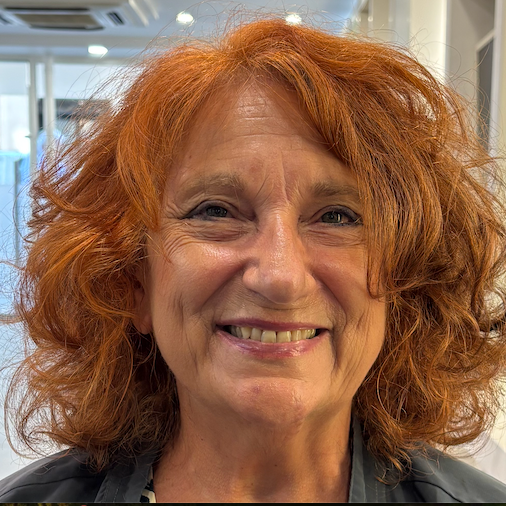
Patrizia D ALESSIO Prof.
医学博士
bio-hacking to reverse epigenetic aging
目标: Based on the analysis of current literature and own experimental work, the presentation would allow practioners, doctors, prescriptors as well as patients and customers to better understand the perimeter of bio-hacking possibilities implicating the right choices and lifestyle changes when it comes to the most prescribed nutraceuticals, drugs and cosmeceuticals in the optic to prevent aging or to build up healthy longevity.
介绍: Biohacking : a do-it-yourself (DIY) form of personal improvement in which people attempt to change aspects of their biology to improve their health, performance, or well-being - a currently umbrella term for broad, non-specific activities such as gene editing or the use of food supplementation to improve the qualities of living organisms, far from a traditional medical or scientific research environment. Most common biohacks? Sleep optimization, exercise, nutrition & fasting, understanding how to change microbiota, searching knowledge within biology or physics on light, breathing, supplements.
材料 / 方法: Biohacking involves making small, strategic changes to habits and behaviors to improve such things as cognitive function and weight management. There are many tried-and-true biohacks, such as consuming less refined carbs and moderating caffeine consumption. Among the many, research on molecular markers of cell senescence and aging, has highlighted the importance of inflammatory indicators, such as hallmarks of the cardio-metabolic syndrome. If the bio-hack criteria select several geroprotectors to monitor, they also have to address the multifactorial inflammatory status.
结果: Not everybody is gaining weight or has to overcome the consequences of a cancer or its treatment, not everybody either is increasingly depressed or experiencing cardio-metabolic problems. Yet, everyone is more and more in a condition of chronic inflammation and aiming at longevity implies to succeed middle-age management. Stopping the progressive character of organ functions decay may allow envisioning rejuvenation first of all by understanding the specific conditions that make us vulnerable, partially depending on body reactions to environmental stress such as pollution and screen toxicity.
总结: Several clinical studies have underscored the gut-brain-skin connection that is best respected by facing age with adequate nutritional intake associated to tailored supplements, moderate physical activity and a plethora of vagal activation initiatives that summarize in the motto «continue to do what you like most» as recommended by the WHO 2015 «Intrinsic capacity» concept encompassing Vitality.