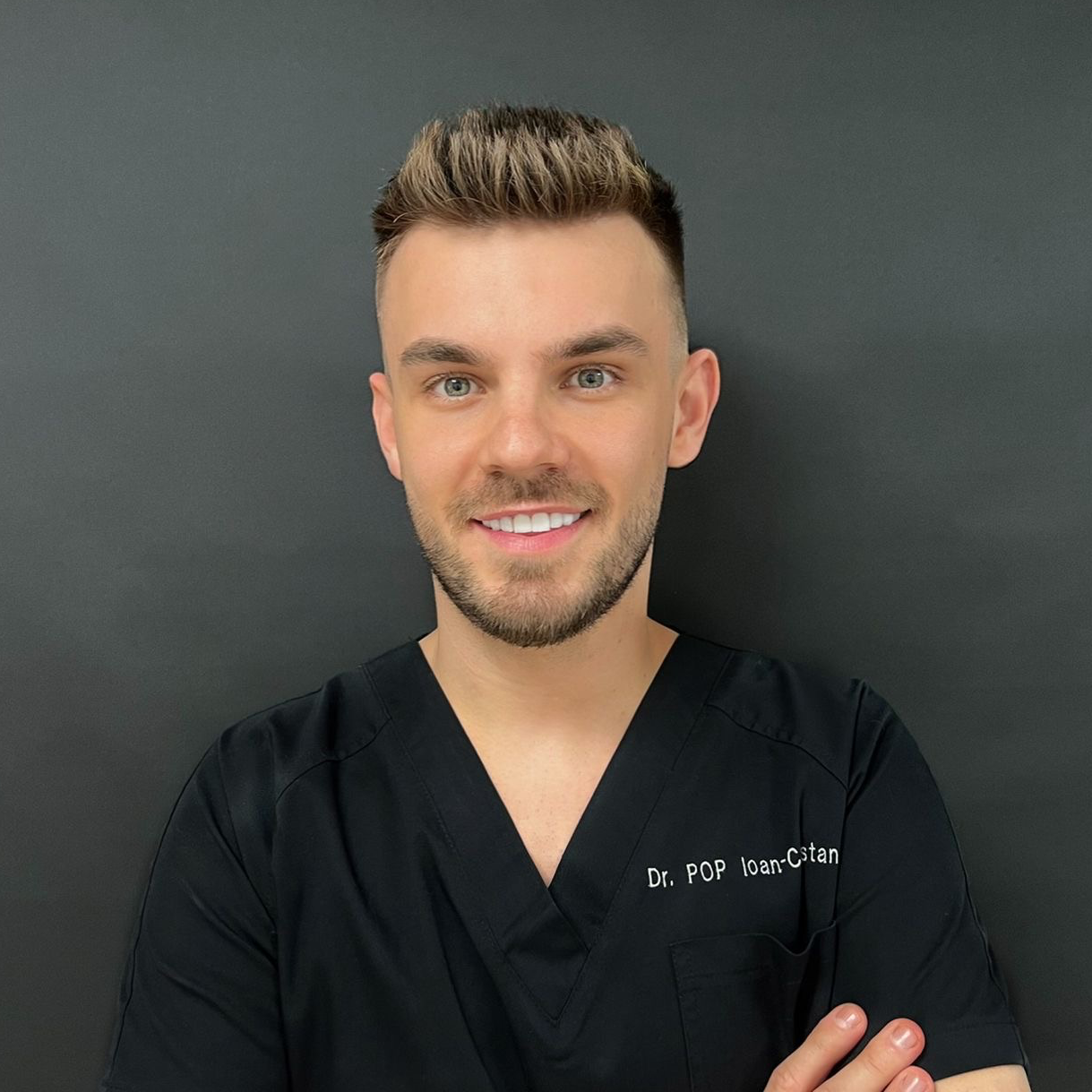
Ioan Constantin POP 医师
整形外科医师, (住院医师)
其他作者: Dr Muntean Maximilian
Innovations in Breast Reconstruction: Robotic-Assisted DIEP Flap Harvest with the DaVinci Surgical System
目标: This presentation aims to evaluate the feasibility, safety, and clinical outcomes of robotic-assisted DIEP flap harvest using the DaVinci Surgical System. Objectives include assessing operative time, complication rates, postoperative recovery, and donor site morbidity. Additionally, the study seeks to compare robotic-assisted techniques with conventional methods to determine potential advantages in precision, reduced trauma, and improved patient satisfaction.
介绍: Breast reconstruction using DIEP flaps is a gold standard for autologous tissue reconstruction, but it involves extensive dissection and donor site morbidity. Recent advances in surgical technology have introduced robotic-assisted techniques, offering enhanced precision and minimal invasiveness. The DaVinci Surgical System allows for improved visualization and access during perforator dissection. This innovation may reduce complications, recovery time, and improve patient outcomes in DIEP flap harvest.
材料 / 方法: This report presents the first robotic-assisted DIEP flap breast reconstructions in Romania. As part of a special surgical event, three experienced plastic surgeons from the U.S. joined our team to demonstrate the technique. Two patients were selected for the procedure. Together, we successfully performed two DIEP flap harvests using the Da Vinci Surgical System, showcasing the technical feasibility and collaborative potential of robotic-assisted microsurgery.
结果: Both robotic-assisted DIEP flap procedures were completed successfully without intraoperative complications. The robotic system allowed precise dissection of perforator vessels with minimal trauma to surrounding tissues. Postoperative recovery was smooth, with reduced donor site pain and no major complications. Patients reported high satisfaction with aesthetic outcomes and early return to mobility. These initial results support the safety and effectiveness of the robotic-assisted approach.
总结: Robotic-assisted DIEP flap breast reconstruction using the Da Vinci Surgical System is a safe and feasible technique. It enables precise perforator dissection, minimizes donor site trauma, and may enhance postoperative recovery. Early clinical outcomes show high patient satisfaction and favorable aesthetic results. This innovative approach represents a promising advancement in microsurgical breast reconstruction, warranting further study and wider adoption