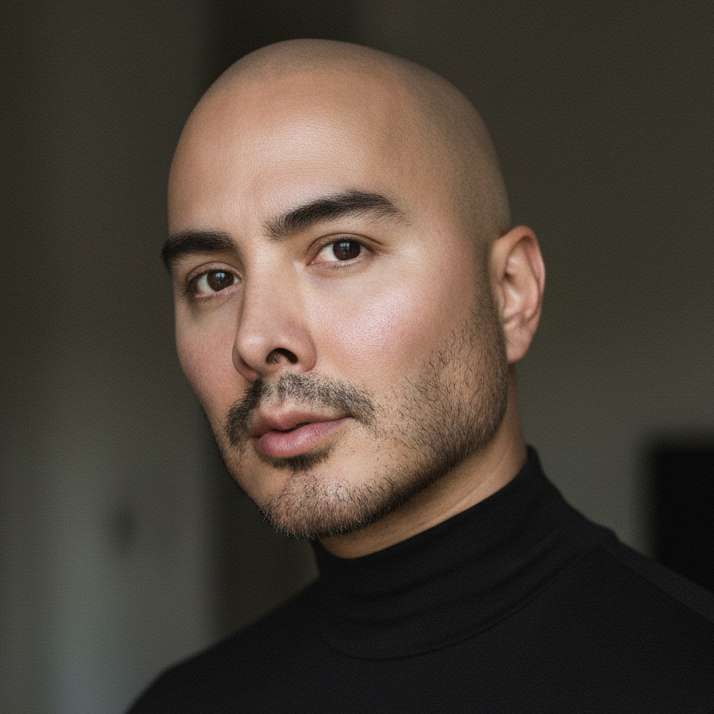
Gabriel AYALA VELAZQUEZ 医师
美容整型外科医师
Skin biostimulation at a glance: are there any new trends in Anti-aging Medicine?
目标: Biostimulation promotes tissue regeneration by enhancing collagen production and improving skin quality [1]. The objective of this presentation is to analyze the evolution of different biostimulation techniques and to present the most recent innovations and therapeutic solutions within this field available in clinical practice.
介绍: Early collagen stimulators were of animal origin, such as bovine collagen, which had limited regenerative capacity and carried a risk of immune reactions. Hyaluronic acid (HA), initially developed as a dermal filler, was later shown to stimulate fibroblast activity. In the 2000s, new biostimulatory agents were introduced, including poly-L-lactic acid, calcium hydroxyapatite, and polycaprolactone, designed not only for volume restoration but also to induce neocollagenesis via controlled inflammatory processes.
材料 / 方法: More recently, endogenous molecules, such as biomimetic peptides and polynucleotides, have demonstrated the ability to stimulate collagen synthesis without triggering inflammation. Intra- or transdermal application of these active compounds enhances their efficacy. Moreover, physical stimulation techniques can also trigger inflammatory cascades that promote collagen production [2–4]. In parallel, advanced biological therapies, such as platelet-rich plasma (PRP) and exosomes, are gaining momentum in the market for their regenerative potential.
结果: The latest innovation in the field of biostimulation includes cross-linked HA fillers incorporating succinic acid, offering both volumizing and biostimulatory effects. [5]. In the future, other active ingredients could be integrated into cross-linked HA fillers to address specific aesthetic indications.
总结: Biostimulation has evolved into a versatile, evidence-based therapeutic approach. In the future, the focus will be on personalization, combination therapies, and preventing strategies, aiming to achieve more natural and sustained outcomes in anti-aging medicine.