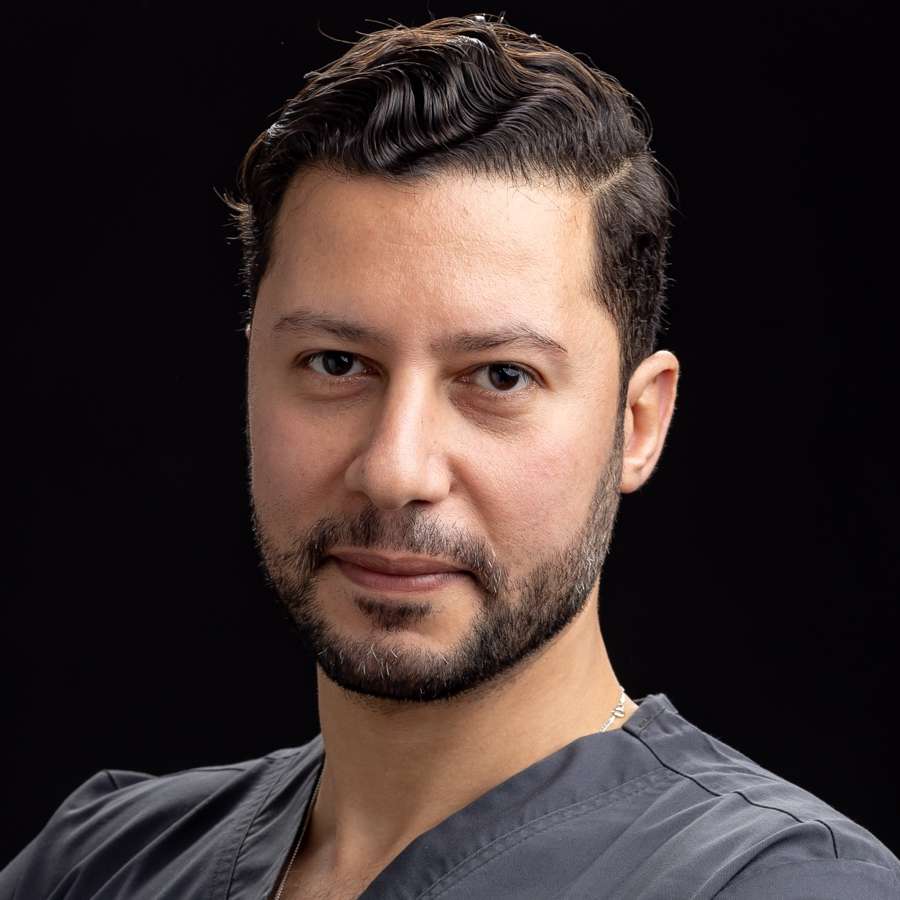
Ahmed ABDELAZIZ 医师
整形外科医师
Ultrasound-Guided Management of Complications in Thread Lifting and Injectable Aesthetic Procedures
目标: Objectives
To demonstrate the role of high-frequency ultrasound in identifying, preventing, and managing complications from thread lifting and injectable aesthetic procedures. Attendees will learn ultrasound-guided techniques for diagnosing filler malposition, vascular compromise, and thread-related issues, and how to implement precise, minimally invasive treatments to improve patient safety and outcomes.
介绍: Minimally invasive procedures such as dermal fillers and thread lifts are increasingly popular but can lead to complications including vascular compromise, nodules, migration, dimpling, and biofilm formation. Accurate diagnosis and early management are critical. Ultrasound offers real-time visualization of soft tissues, vascular structures, and implant positioning, improving the safety and efficacy of complication management in aesthetic practice.
材料 / 方法: A series of complication cases involving dermal fillers and thread lifts were evaluated using high-frequency ultrasound. Ultrasound guidance was used for diagnosis, vascular mapping, aspiration, targeted hyaluronidase delivery, corticosteroid/antibiotic injection, and precise thread removal when indicated. Clinical outcomes, safety, and resolution times were analyzed to assess the effectiveness of ultrasound-guided interventions.
结果: Ultrasound enabled accurate identification of filler location, vascular compromise, and thread malposition in all cases. Targeted ultrasound-guided treatments facilitated rapid complication resolution, minimized tissue trauma, and reduced the need for surgical intervention. Patient satisfaction improved significantly, and no major adverse effects were reported. Early integration of ultrasound reduced the duration and severity of complications.
总结: High-frequency ultrasound is a valuable tool for the diagnosis and management of complications related to threads and injectable aesthetic procedures. Its use enhances precision, safety, and patient outcomes by enabling real-time visualization and targeted treatment. Incorporating ultrasound into routine complication management protocols represents a significant advancement in minimally invasive aesthetic practice.