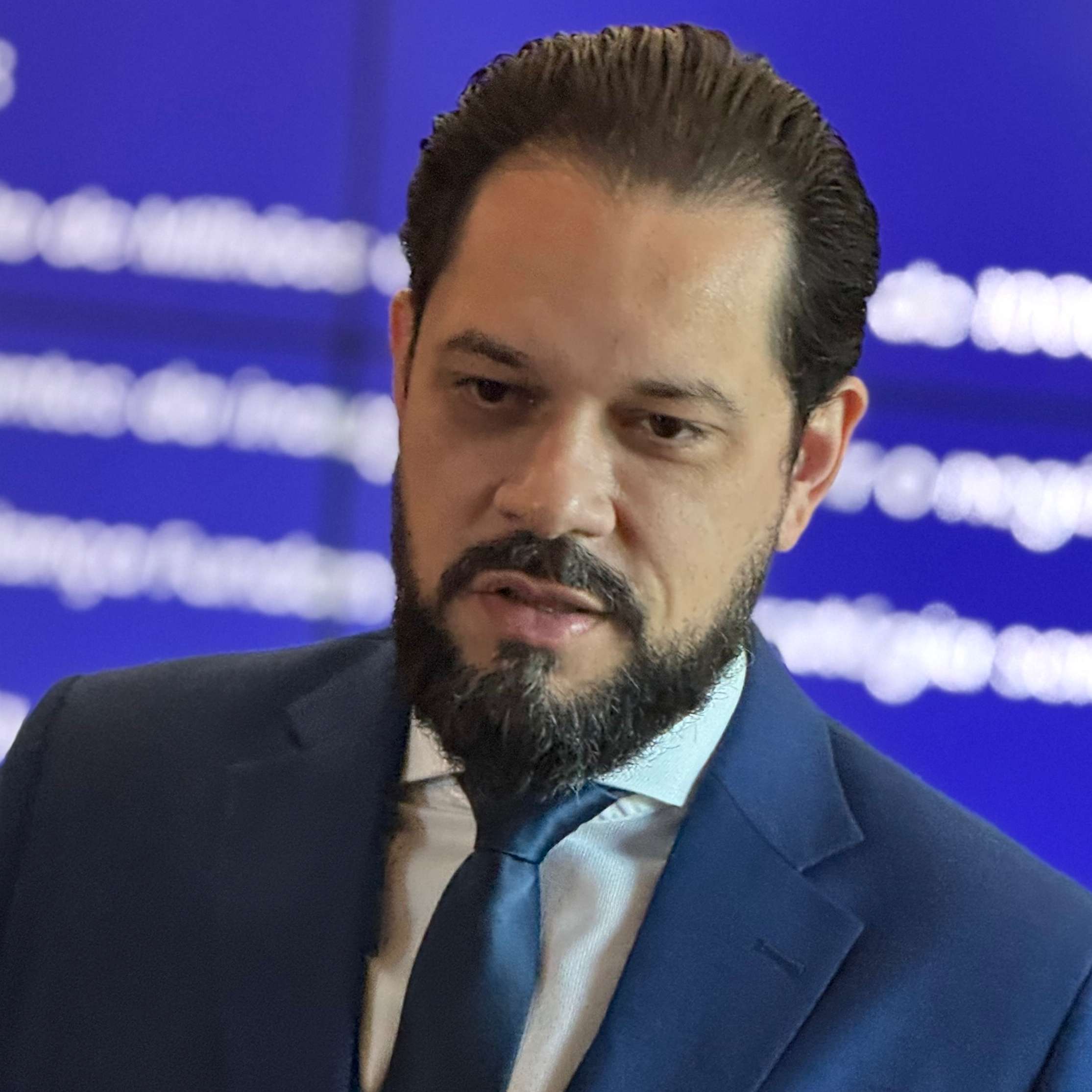
Marco Aurelio COSTA JUNIOR
企业代表
其他作者: Geisa Ribeiro Machado Costa
Burnout in dermatologists and plastic surgeons: prevalence, risk factors and preventive strategies
Objectives: To analyze risk factors, consequences, and possible strategies to prevent burnout among dermatologists and plastic surgeons.
Introduction: Burnout is recognized by the WHO (ICD-11) as an occupational phenomenon. Dermatologists and plastic surgeons face unique pressures: high patient expectations, competitive environments, long working hours, and the influence of social media exposure. Systematic reviews (Rotenstein, Torre, Ramos, 2018) report 67% overall prevalence in physicians. However, studies focusing on aesthetic specialties remain scarce.
Materials / method: This research was designed as a narrative review, based on a comprehensive search of the scientific literature. The main sources of information were the PubMed, Google Scholar, and Scopus databases. The search strategy included the use of specific keywords considered most appropriate: burnout, dermatologists, plastic surgeons, physician wellness, and occupational stress. The studies eligible for inclusion were those published between 2000-2025, written in English, Portuguese, or French. Data was extracted regarding prevalence, risk factors, clinical impact, and preventive strategies.
Results: Prevalence: Burnout rates range from 35% to 69% among dermatologists and plastic surgeons. Risk factors: Aesthetic and emotional demands of patients, long surgical procedures, pressure for performance in congresses/social media, and work-life imbalance. Consequences: Reduced quality of life, increased medical errors, early retirement, and substance abuse. Reported strategies: Organizational changes (workload reduction, team support), individual interventions (mindfulness, coaching, psychological support), and educational curriculum changes.
Conclusion: Burnout is prevalent and multifactorial among dermatologists and plastic surgeons. Effective strategies must be multilevel: personal, institutional, and sociocultural. Programs tailored to aesthetic specialties are recommended, with emphasis on resilience, expectation management, and work-life balance to safeguard physician well-being and patient safety.