



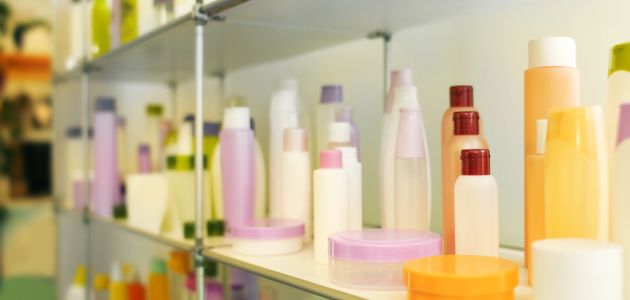
Are you fully utilizing retail displays in your clinic?
What I have been observing for most of the clinics I visited is that they're not serious enough with retail management and most of those I visited just want to showcase everything that they have.
It can be a good additional source of income for the clinic.
But if your clinic display is not attractive, I doubt the patient won't bother buying or coming near that display.
This post aims to help you optimize cosmeceutical and other retail products and use them as one of the major sources of clinic revenue.
I. Skincare Portfolio
Most, if not all, have a huge amount of selection of products, though similar in function but reducing choices in your armamentarium, will reduce friction and increase sales.
These are the common groups of products you have(or should have):
a. Skincare products/cosmeceutical
b. Body products - e.g. antiperspirant deodorant
c. Hair products - hair care and growth treatments
d. Vitamins and supplements
e. At-home devices - e.g. handheld infrared light therapy, electronic facial brushes
f. Cosmetics - e.g. makeup that covers bruises after treatment
g. Homeopathic products - e.g. essential oils, Arnica Montana for bruises
h. Books (if any)
ACTIVITY: List down all your retail portfolio. add what's lacking and remove all redundant products.
II. Choose Your Products
Choose your products and decide if a product is worth a stay in your retail portfolio or if it deserves its spot in the trash bin. What are the factors in choosing your retail products that are DEEMed important to know?
D Demand. The range should have its demand.
E Evidence-based results. Products should have evidence-based results. Ask your suppliers for papers and research. Remember, you are a doctor first before you're an entrepreneur.
E Exclusivity. Products shouldn't be obtained through normal retail stores, online shops, and drugstores. This helps ensure your patients will return to you for refills.
M Medical grade.
ACTIVITY: Make a range for every skin type solution and need/concern. Make a table for it and include the following data:
a. Relevant ingredients
b. Mechanism of action
c. Dosage
d. Frequency of usage
e. Side effects
f. Price
Print it and include it in the staff's training. (Let them memorize it)
You should also consider choosing products that have high, medium, and low price ranges that will suit all pockets.
III. Incorporate and Promote Skin Care Products in Every Stage of the Patient Journey
1. Pre-skin treatment/prep kit at the consultation stage
Use skin analysis or computer imaging to show a patient their current skin concerns as well as their expected results. There is nothing more compliant than a patient seeing their skin issues, and then learning how to address the solution.
2. Cross-sell/upsell products during the treatment stage
3. Home treatment in between treatment sessions or post-op treatment care
Promote your products when the patient is checking out and the patient has their wallet out. You should ask the patient to pick a product sample from an eye-catching bowl at the counter during their checkout. This will help set the stage and put them in a receptive mood to book another appointment or buy a product or make a refill plus, they will be more likely to buy after they just got a gift from you.
Whatever the phase of the patient journey you presented the skin care, make sure to show the patient how to apply it and what they feel will help break down their objectives. It is also important to provide written instruction for all dermatologic or cosmetic conditions; and pre-and post-op care.
IV. Inventory
Make a policy and protocol for monitoring your products to avoid losses, theft, expiration, and out-of-stock.
What staff should do:
a. Staff should undergo training about product information
b. Learn policy for return and exchange
c. Master selling
e. Hold training during lunchtime with vendors who will gladly train your staff
f. Your staff should be using(not just trying it one time) your products and experience it first hand.
Remember, your staff will be your front-line walking/talking testimonials and they will go the extra mile to sell products when they have a reason to.
V. Reward Your Staff
Some examples of incentives:
a. 10% bonus or commission on product sales
b. Free products
c. Product at cost
VI. Know your data
Include it in your sales Key Performance Indicator(KPI) and should answer the following questions:
a. How many patients buy skin care products from you?
b. What is the current turnover of your products? Compare and graph monthly and yearly turnover.
c. Do your retail products have ROI? Have you set your income goals?
VII. Product Return
Make policy or protocol on how to handle return or exchange of product purchases. It is very important to extensively train your employees on this policy as improper handling may lose of loyal customers and money. Also, weigh in the circumstances whether it is worth losing a little money on a questionable return to retain a loyal patient.
One important thing you can do is to take a purchase history for every patient to easily track.
Another thing to reduce any patient mistrust upon return, tell the patients that you want to know more about their experience so you can better manage your dispensing and patient care. Ask the following questions:
a. Why the patient is returning the product?
b. How long have they been using the product?
c. Are any other products not bought or prescribed by the clinic that the patient is currently using?
VIII. Display
The display area is your access as well as your patient's access to the product.
In-house promotion and neuromarketing are vital when selling retail because you want every single person walking through your clinic to know you provide products for their various skin concerns.
ACTIVITY:
• Look at your retail display.
• Pause.
• Take time to look at it.
• Does it look good?
• Does it attract your patients?
Here are some tips you can do in your retails:
a. Have your retail products on display and at a level where the customer can see them. A good retail display will spark conversation.
b. Put also your best sellers at the center of the shelf display as near shelves appear to improve shopping efficiency. You can also have a display on the table at the center of the store flow which diverts a patient's attention while sitting on the couch.
c. Set up an eye-catching "Sephora-like" or "Glossier pop-up store-like" retail section in the reception area.
d. Place small displays of products and check out the area, waiting area, treatment rooms, and doctor's office.
e. Dish out all the vendor brochures, countertop displays, and posters that aren't needed by your target market. (That's why you need to know your target market)
f. Ask your vendors to make brochures, and posters that have your logo on them (additional marketing), and the color are in line with your company brand colors.
g. Make sure you place labels such as for skin types or concerns or for what usage(sunscreen) and prices.
h. You can also put labels such as "must haves", or "all-time faves" on specific products.
i. Consistently arrange the packages so that the patient's search process is faster. According to Burke (2010), when packages on the shelf were not aligned with the shelf edge, but rotated slightly to the right or left, the search time increased by 10% from 4.0 to 4.4 seconds.
j. If possible, use a digital screen to maximize the promotion of retail products. Burke (2010) reported that digital signs can drive store traffic and lift product sales especially when they feature "news" (new items, promotions, seasonal information).
k. Props or ornament like flowers and plants or small accessories create appeal to displays. Too many items can create an overwhelming or cluttering effect so don't put your family picture or your anime figurines on retail display. The ornaments you add to your shelves along with your retail products should uplift the overall cohesiveness of the display.
IX. Sample and testers
Samples and testers help allow patients to feel and try a product. But this does not apply to all products since some will take longer to see any changes on the skin or if 'actives' will change their color and consistency may affect patients' first impression to purchase the products.
You have to choose the buying factors of the sample and testers like their color, texture, smell, and their packaging.
Send your patients home with samples and brochures about that sample then ask for reviews and let them post them on your website or Facebook Page.
X. Promotions
Mention your skin-care line in all of your customer-facing materials such as brochures, business cards, newsletters, social media, and websites.
XI. Neuromarketing
In retail display, you should consider neuromarketing by making your products more attractive to your patients and prospective patients because of their interaction with their senses or emotions.
Here are some examples of neuromarketing that go unnoticed by patients:
a. Sunscreen should have a summer feel and smells like orange.
b. The patient prefers fresh and clean products. It is correlated with the smell of vanilla, fruits, or baby powder. Freshness is also correlated with foil covers on top of the jar or seals. We know it doesn't correlate with freshness but subconsciousness tells your patients so.
c. Creams should be creamy and silky.
d. Music impacts our patient's behavior as a consumer. Slow music tempo tends to increase higher the spending of the consumer.
XII. Others
Make sure your retail products are regulated and in compliance with your country's food/cosmetic/drug regulatory board.
Make sure you also have a license to sell products (if necessary in your country).
Have these papers readily available and on reach so that when a patient (or the regulatory body inspecting) asked about them you can show them to them.
Reference:
Burke, Raymond. (2010). The Third Wave of Marketing Intelligence. 10.1007/978-3-540-72003-4_10.
被标记: 医疗经营管理, 医学护肤品 & 保健品
评价这篇文章
分享这篇文章于


