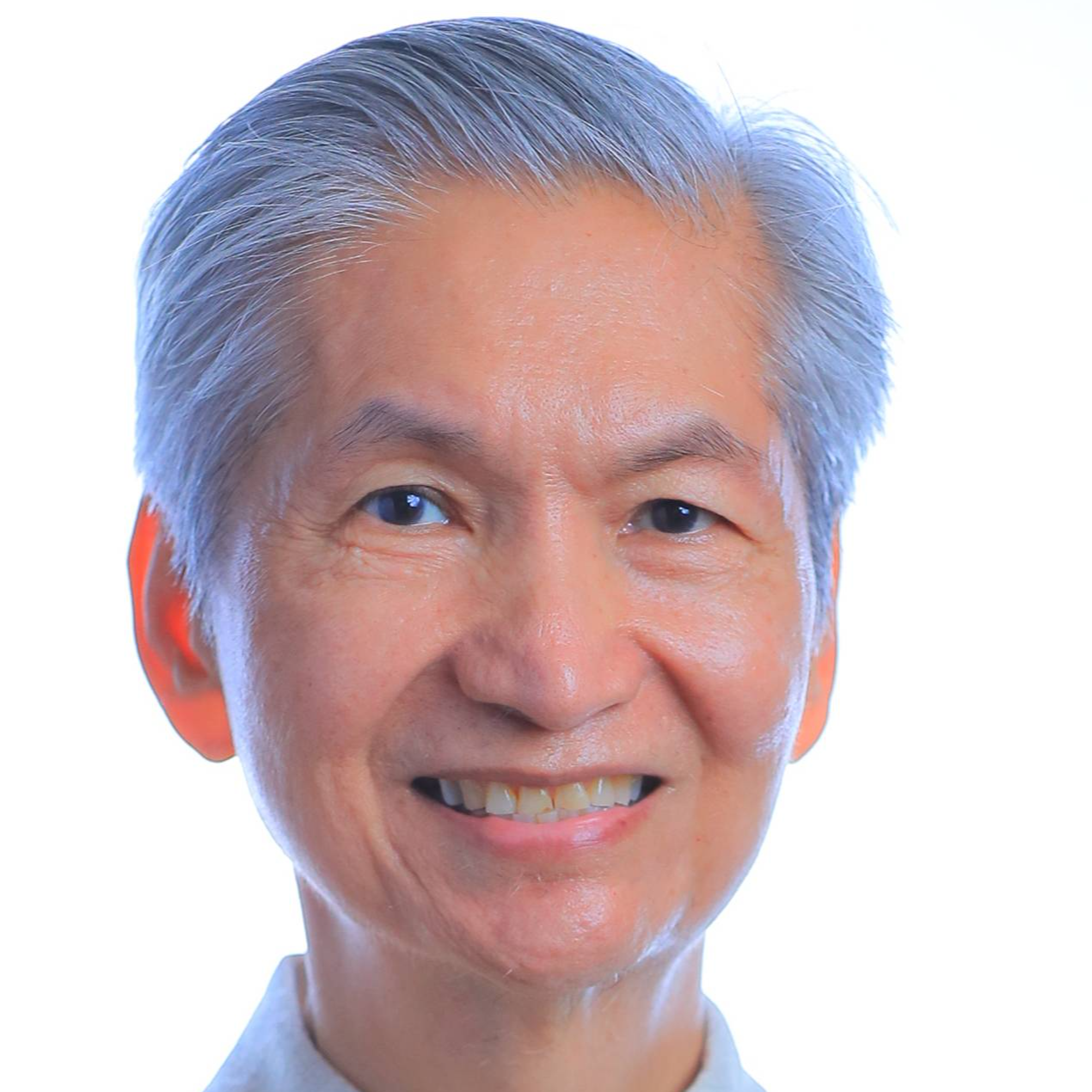
Доктор Antonio C SISON
Дерматолог
The use of psychosocial screening tools for the aesthetic/dermatology practice
Objectives: 1. To explore the neurobiological and psychophysiological effects of trauma and chronic stress on overall wellness.
2. To examine the impact of stress-related mechanisms on skin health, aging, and aesthetic outcomes.
3. To identify clinical indicators of trauma-related dysregulation in dermatology and aesthetic practice.
4. To propose integrative strategies that address both psychological resilience and cutaneous health.
Introduction: Wellness and beauty are not solely aesthetic constructs but reflections of complex interactions between neurobiology, endocrine regulation, immune function, and psychosocial experience. Trauma—whether acute, developmental, or chronic—and sustained stress exposure activate the hypothalamic–pituitary–adrenal (HPA) axis and sympathetic nervous system, resulting in systemic inflammation, oxidative stress, impaired barrier function, and accelerated aging. In dermatologic and aesthetic settings, patients may present with stress-exacerbated conditions.
Materials / method: This lecture integrates interdisciplinary literature from psychoneuroimmunology, dermatology, psychiatry, and aesthetic medicine. Mechanistic pathways discussed include cortisol dysregulation, inflammatory cytokine activation including epigenetic modulation associated with chronic stress and trauma. Clinical screening tools for stress, adverse childhood experiences (ACEs), and psychological distress are reviewed.
Results: Evidence demonstrates that chronic stress and trauma exposure are associated with increased inflammatory dermatoses, delayed wound healing, impaired collagen synthesis, dysregulated pigmentation, hair cycling disruption, and accelerated cutaneous aging. Elevated cortisol levels and persistent sympathetic activation contribute to barrier dysfunction and immune imbalance. Trauma-related psychological distress may also influence body image perception, treatment expectations, and satisfaction with aesthetic interventions.
Conclusion: Trauma and chronic stress impact measurable biological effects on skin health, aging, and aesthetic outcomes. Recognizing beauty and wellness as biopsychosocial phenomena allows clinicians to move beyond cosmetic-based procedures and recommend psychosocial strategies that address trauma and stress of the patient.